Allowing China’s tech behemoths like Alibaba, Xiaomi to join Hang Seng Index is vital for benchmark stock gauge’s future, says boss
- Proposed reforms would make companies with multiple classes of voting rights, secondary listings eligible for index inclusion
- Changes currently out for public consultation are the most important revamp since the inclusion of H-shares in 2006, index compiler says
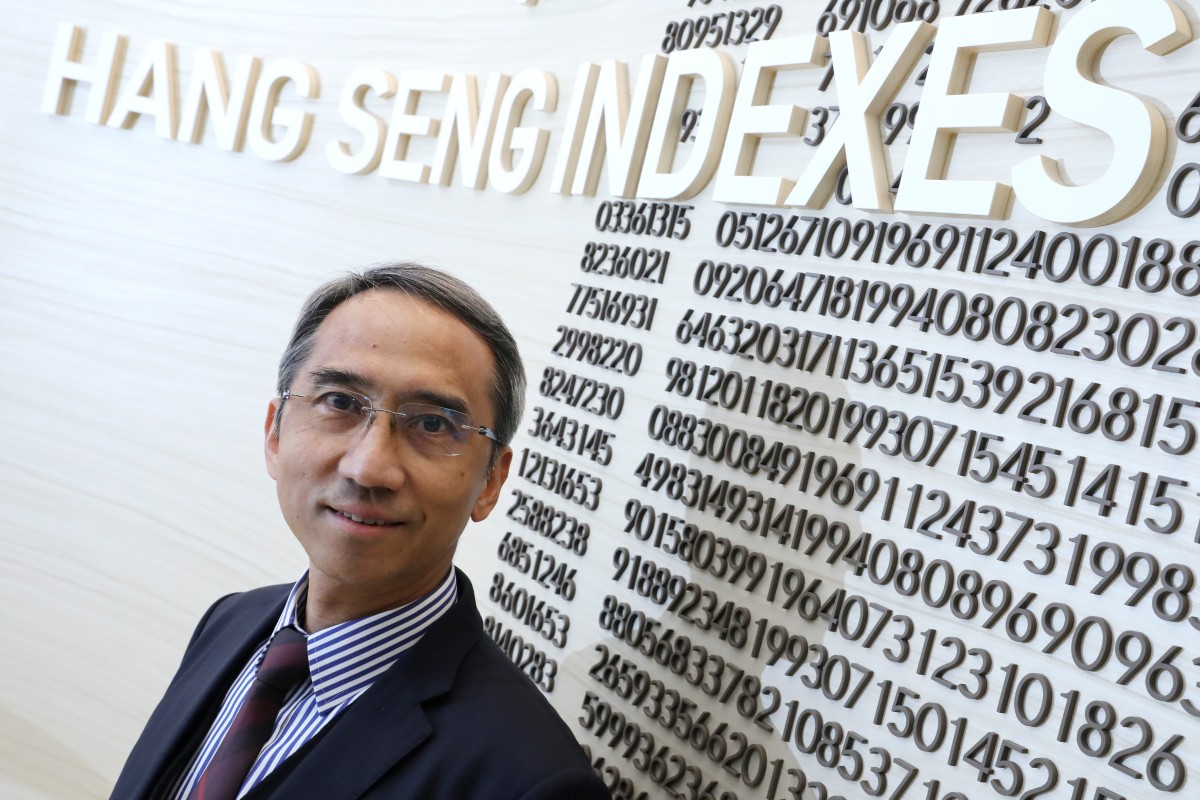
Proposals that would pave the way for China’s technology giants to be included in the Hang Seng Index will be vital to maintaining the index’s status as the benchmark for Hong Kong’s stock market, according to the boss of the company that compiles the gauge.
Hang Seng Indexes Company is weighing the feasibility of allowing companies with weighted voting rights, such as the Chinese smartphone maker Xiaomi, and those with secondary listings like the internet behemoth Alibaba Group Holding, to be included, according to a consultation paper published on its website this month. It is also considering capping the weighting of the financial sectors in the key gauge.
“The Hang Seng Index needs to track the performance of the biggest and the most liquid stocks of the Hong Kong market. If these largest technology giants are the most traded stocks here, but then they are excluded from the Hang Seng Index, it will reduce the role of the Hang Seng Index as a benchmark of the market. This is why we want to make a change,” chief executive Vincent Kwan said in an interview.
In Kwan’s view, the current reform is the potentially most important revamp of the gauge since the inclusion of H-shares – Chinese mainland companies listed in Hong Kong – in 2006. Back then, there were many large H-shares listings, including the big four state-owned banks which floated in Hong Kong between 2004 and 2005, triggering their addition to the benchmark.
Nowadays, there are nine H-share firms included as constituent stocks of the Hang Seng Index, with a combined 25.37 per cent weighting. The top three are China Construction Bank (7.81 per cent), Ping An (5.52 per cent) and Industrial and Commercial Bank of China (4.75 per cent).
The index compiler on January 13 issued its consultation paper to seek public feedback about the changes. That will take until mid-March, with the result to be announced in May.