Shanghai’s exchange is mulling the first revamp of its benchmark stock index in 30 years, bringing it in line with gauges like S&P 500
- The Shanghai exchange may calculate a company’s market value for the index based on its free float rather than total outstanding shares, bringing it in line with gauges like the S&P 500
- The exchange is planning to adjust the timing for newly listed stocks to be included in the index and remove some chronically loss-making shares

The Shanghai Stock Exchange is considering the first overhaul of its benchmark index in three decades so that it better reflects China’s increasingly hi-tech economy, according to people familiar with the matter.
The exchange is planning to adjust the timing for newly listed stocks to be included in the index and remove some chronically loss-making shares, said two of the people, who asked not to be identified as the matter is private. As part of a long-term overhaul under consideration, the exchange may also calculate a company’s market value for the index based on its free float rather than total outstanding shares, said the people.
The overhaul would bring the Shanghai index more in line with gauges like the S&P 500, which calculates market value based on the free float available for trading, as opposed to the total shares, which include closely held stock owned by insiders. Given the government control of many Chinese companies, the free float on stocks like the Industrial & Commercial Bank of China is small.
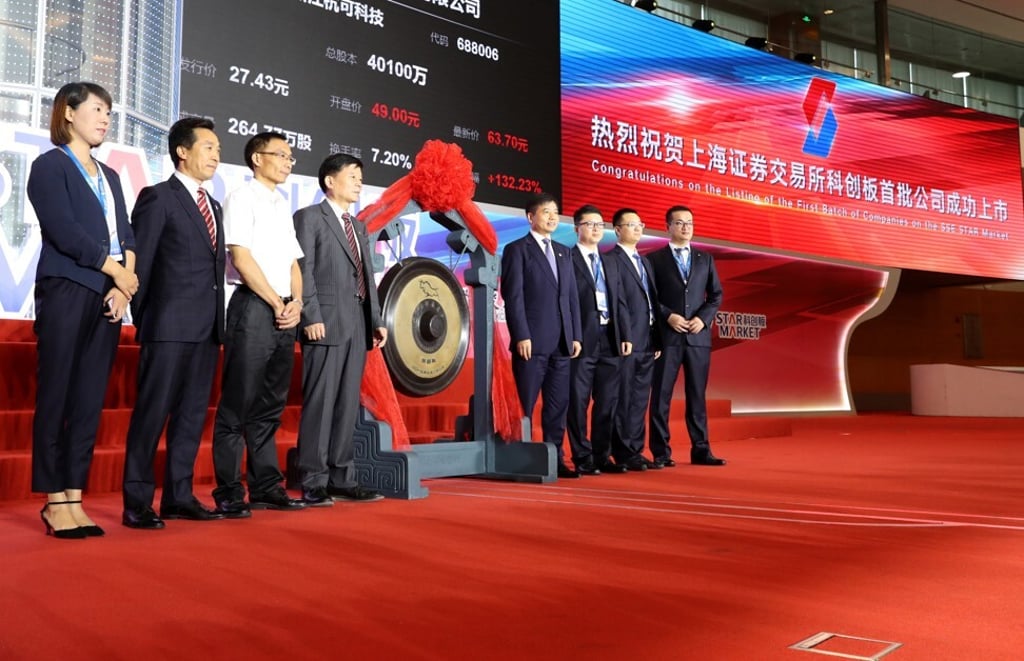
If approved, that shift could lead to increased weightings for technology and other new economy sectors and reduce financial services and energy, said two of the people. The bourse is also evaluating whether to include stocks listed on the tech-heavy STAR board into the index, and may create a separate gauge for STAR stocks, one of the people said.
“There has been ages-long criticism that the Shanghai composite index did not reflect the real economy, which could be a problem given the number of investors and funds tracking it,” said Ge Shoujing, a senior analyst at the Reality Institute of Advanced Finance in Beijing.