Local authorities jump on the Chinese government’s clarion call to fund the construction of hydrogen fuel cell supply chain as they erect the infrastructure for China to go green
- Almost 20 city clusters have submitted applications for the scheme to finance the build-outs and demonstration programmes for China to reduce carbon emissions
- They include clusters of cities, or districts, in Beijing, Shanghai, Guangdong, Shandong, Hubei, Jiangsu, Inner Mongolia and Hebei provinces

Local governments have responded with enthusiasm to the Chinese government’s call – and offers of subsidies – to devise a supply chain that can make hydrogen fuel cell vehicles commercially viable.
Almost 20 city clusters have submitted applications for the scheme, which would finance infrastructure build-outs and demonstration programmes to help China realise its decarbonisation objective, according to Alfred Wong of Ballard Power Systems.
“We understand that around 19 city clusters have applied to the new subsidy scheme,” said the Asia Pacific managing director of the Canadian firm that makes fuel cell power systems for heavy duty vehicles at two ventures in Guangdong and Shandong provinces. They include clusters of cities, or districts, in Beijing, Shanghai, Guangdong, Shandong, Hubei, Jiangsu, Inner Mongolia and Hebei provinces, according to the industry portal Qingyunlian.com.
“Many local authorities have indicated they would provide support even if they do not win central government funding in the first round of city clusters selection,” Wong said. Hydrogen has been mentioned as a key industry to be supported in economic and industrial policy documents released recently by some 13 regional and local governments, he noted.
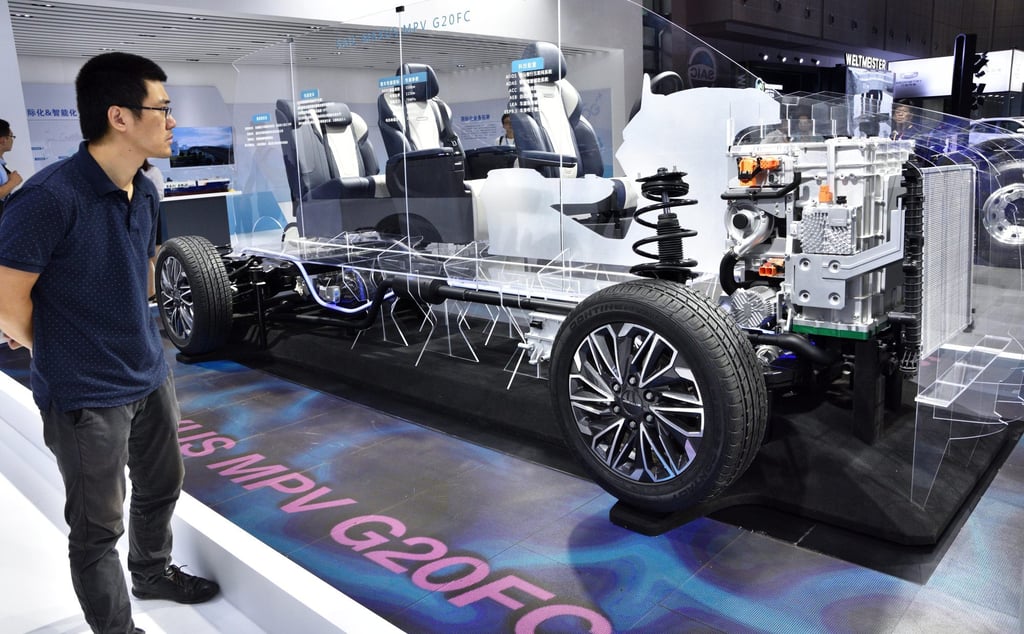
To finance the development of a supply chain to dive costs lower, the government revamped a subsidy scheme for the purchase of fuel-cell vehicles at around the same time.