-
Advertisement
Hong Kong Monetary Authority (HKMA)
BusinessCompanies

Bond Connect: is the southbound link the game-changing bonanza that banks and investors have been waiting for?

  • Beijing has approved 41 mainland banks and 173 qualified domestic institutional investors to trade in all existing bonds in Hong Kong
  • HSBC and Bank of China (Hong Kong) among local banks that say they are ready for the new scheme

Reading Time:3 minutes
Why you can trust SCMP
Hong Kong’s Central district. The true winners will be Chinese onshore investors, who will now be able to access a broader liquidity pool and trade bond instruments more efficiently, an expert says. Photo: Robert Ng
Enoch Yiu

The long-awaited southbound leg of the Bond Connect between mainland China and Hong Kong will encourage more bond offerings in the city, and prove to be a “game changer” that boosts its credentials as a green bonds and dim sum bonds centre, analysts said.

The southbound leg will allow professional investors in mainland China to trade in offshore debt through Hong Kong from next Friday. The northbound Bond Connect, which allows international investors to trade in the mainland bond market, was introduced in 2017.
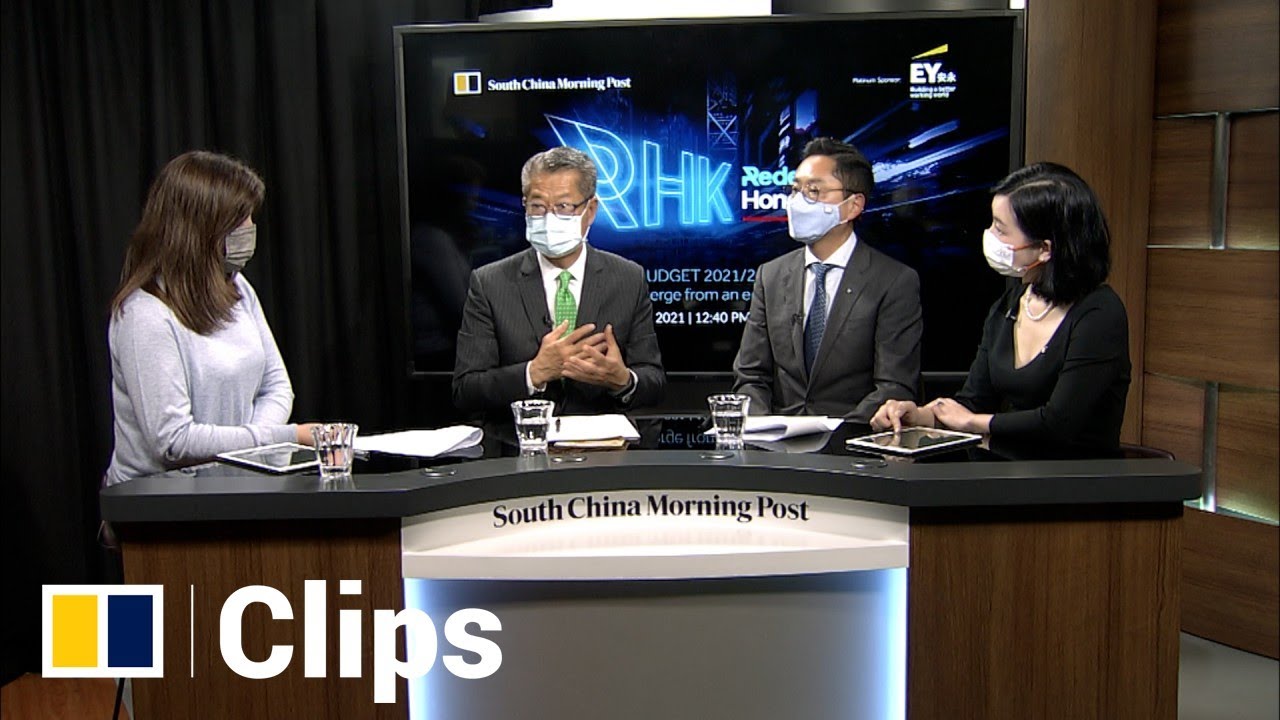
“The launch of the southbound Bond Connect is going to be a game changer for the Hong Kong bond market. The new scheme will provide new sources of funding and investors for the local bond market, which will attract more mainland Chinese and international governments as well as companies to issue bonds in Hong Kong. Green bonds will have the biggest potential, as many mainland funds and institutional investors are interested in green finance,” said Nelson Chow, chairman of the Hong Kong Investment Funds Association.

07:25

Hong Kong financial secretary on Bond Connect, taxes and US-China relations
Hong Kong financial secretary on Bond Connect, taxes and US-China relations
The southbound Bond Connect was given the go-ahead by Beijing this week and is the latest instance of the liberalisation of the mainland capital markets. It is also expected to support Hong Kong as an international financial centre and to boost its relatively weak local bond market, which is worth about HK$2 trillion (US$256.9 billion) – far smaller than the local stock market which is capitalised at HK$46.8 trillion – due to the high cost of bond offerings and fewer local bond investors.
Advertisement
Banks and other professionals will get more business out of offering and trading in bonds as a result of the growing market, said Freddie Chui Ying-wai, the markets and global network leader at Deloitte China.
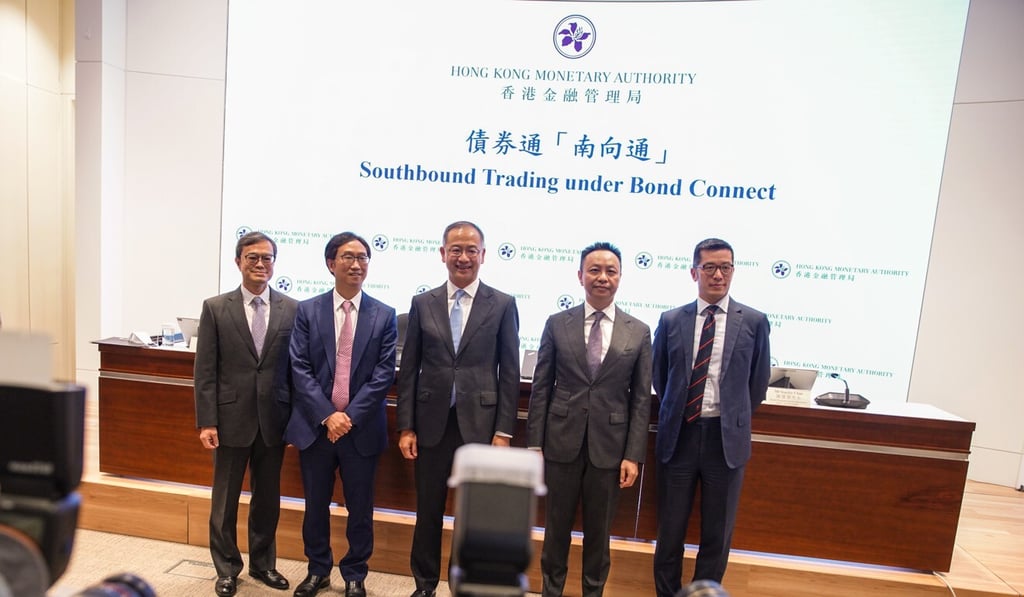
Hong Kong Monetary Authority officials, including Eddie Yue Wai-man, centre, the de facto central bank’s CEO, during the authority’s press conference in Hong Kong on Tuesday. Photo: Winson Wong
Advertisement

Beijing has approved 41 mainland banks and 173 qualified domestic institutional investors (QDII) for trade in all existing bonds in Hong Kong, with a daily quota set at 20 billion yuan (US$3.1 billion) and a yearly limit of 500 billion yuan for the new scheme. In Hong Kong, about 15 banks are expected to be appointed as market markers. The Hong Kong Monetary Authority will have a central clearing unit for Hong Kong dollar and yuan-denominated bonds, or dim sum bonds, initially before expanding to other currencies at a later stage.

Advertisement
Select Voice
Choose your listening speed
Get through articles 2x faster
1.25x
250 WPM
Slow
Average
Fast
1.25x