Advertisement
Chinese bank earnings spared from property distress as Evergrande and troubled peers pose threats to loan quality
- Chinese banks’ third-quarter results mostly beat estimates, averting property distress as bad loan ratios improved slightly
- Analysts say loan quality will come under the microscope as developers continue to face a liquidity squeeze, barring any policy easing
3-MIN READ3-MIN
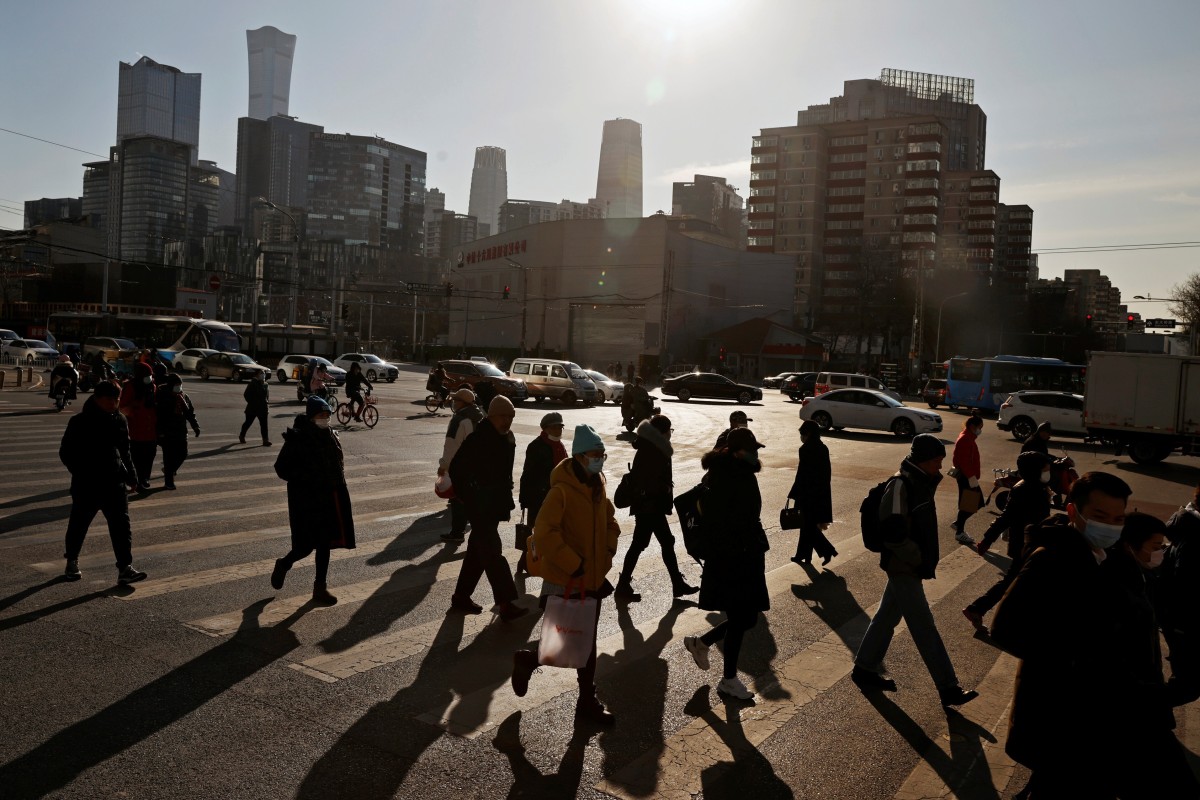
Chinese banks reported a strong set of third-quarter operating results, evading a distress among mainland property developers as the industry hit a rough patch. More tests await in the coming months as debt crunch persists, putting loan quality at risk, analysts said.
Bank of Communications and Postal Savings Bank of China recorded more than 20 per cent jump in earnings, beating analysts’ estimates. Almost all of them showed lower sequential bad loan ratios, based on report cards from this week.
More challenges await as China’s growth engines lose momentum while the property and manufacturing sectors take a turn for the worse. Gauges tracking Chinese banking stocks in Hong Kong, Shenzhen and Shanghai have lost 14 to 16 per cent since mid-February amid a crackdown on excessive leverage among developers, according to Bloomberg data.
Advertisement
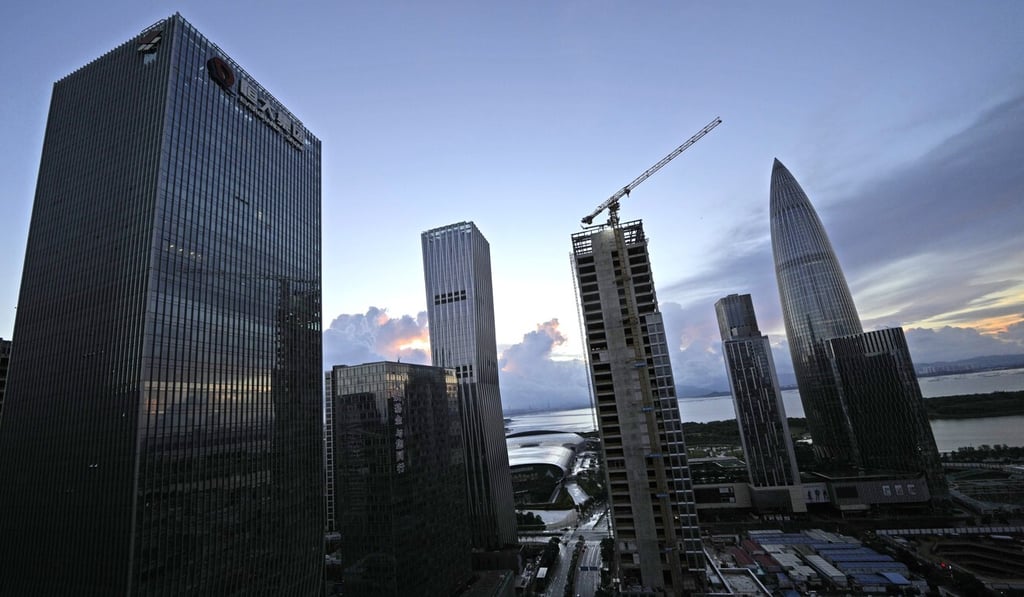
China Evergrande, saddled with more than 1.97 trillion yuan (US$305 billion) of liabilities, has struggled to repay lenders and creditors. The likes of Fantasia Holdings, Modern Land and Oceanwide Holdings have defaulted on their offshore bond obligations and rating companies see the credit crunch stretching into 2022.
Advertisement
“If some of these developers still fail to repay their banks during the fourth quarter, then banks would have to book these as non-performing loans (NPLs),” said Cindy Wang, an analyst at DBS.
Advertisement
Select Voice
Select Speed
1.00x