Hong Kong firm to supply biocoal to power plants, households as alternative energy source amid stubborn demand, high prices for fossil fuels
- Company started producing bio coal in November and aims to raise its capacity from 300,000 tonnes annually to 5 million by 2027
- Its first big contracts will be to supply bio coal to a power plant in Asia, and as heat source for households in Europe

The firm’s bio-coal product can be made from waste such as rice husks or peanut shells, and has a similar energy value as coal but with a smaller carbon footprint, managing director Yeung Ching-man said. Every tonne of bio-coal use can reduce 2.5 tonnes of carbon dioxide emissions, he added.
“Converting agricultural residues into biocoal helps eliminate traditional methods of waste disposal,” Yeung said in an interview during the Eco Expo Asia 2022 organised by the Hong Kong Trade Development Council last week. Open burning or self-decomposition releases harmful gases, which can be avoided, he added.
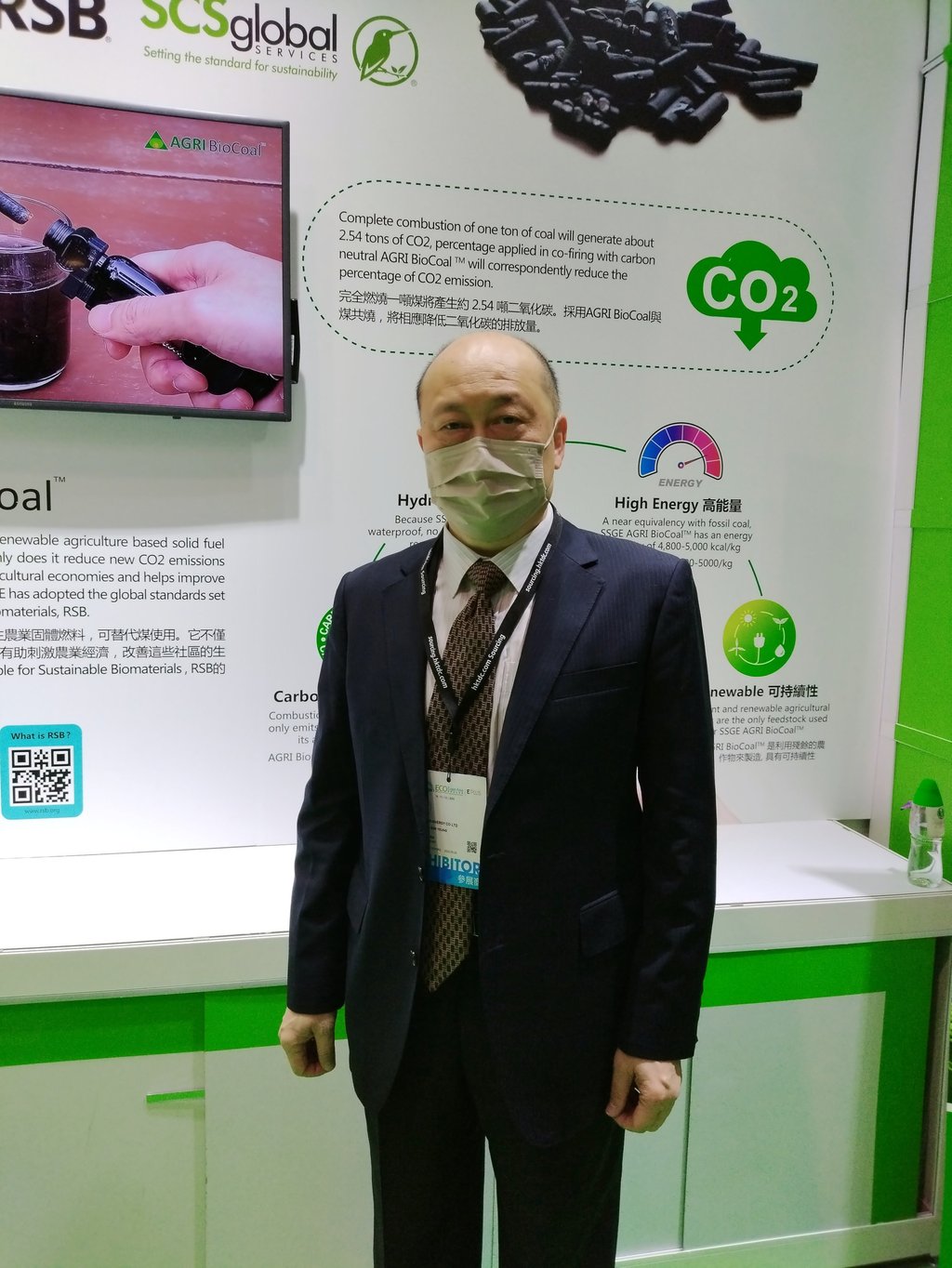
Like many local firms, SSGE also is latching on to the latest global efforts to phase out fossil fuels and help drive carbon-neutrality goals by the mid-century, and arrest the fallouts from climate change.
The firm is a unit of local plastic packaging manufacturer Hip Lik and started its biocoal operations in Myanmar in 2019 after researching the technology over the past few years. It picked the Southeast Asian country due to its diverse and ample supply of agricultural feedstock, said Yeung.