Foreign carmakers to fall behind in China’s EV market as price war becomes the norm, Leapmotor executive says
- The real survivors of China’s EV market are expected to emerge by the end of this year, Leapmotor co-president Michael Wu says
- The Hangzhou-based carmaker is looking to double deliveries from 144,155 units in 2023 to between 250,000 and 300,000 units this year

The fierce price war sweeping China’s electric vehicle (EV) market is likely to persist for years, with the impact to be felt largely by foreign carmakers which will see their market share shrink, according to a top industry executive.
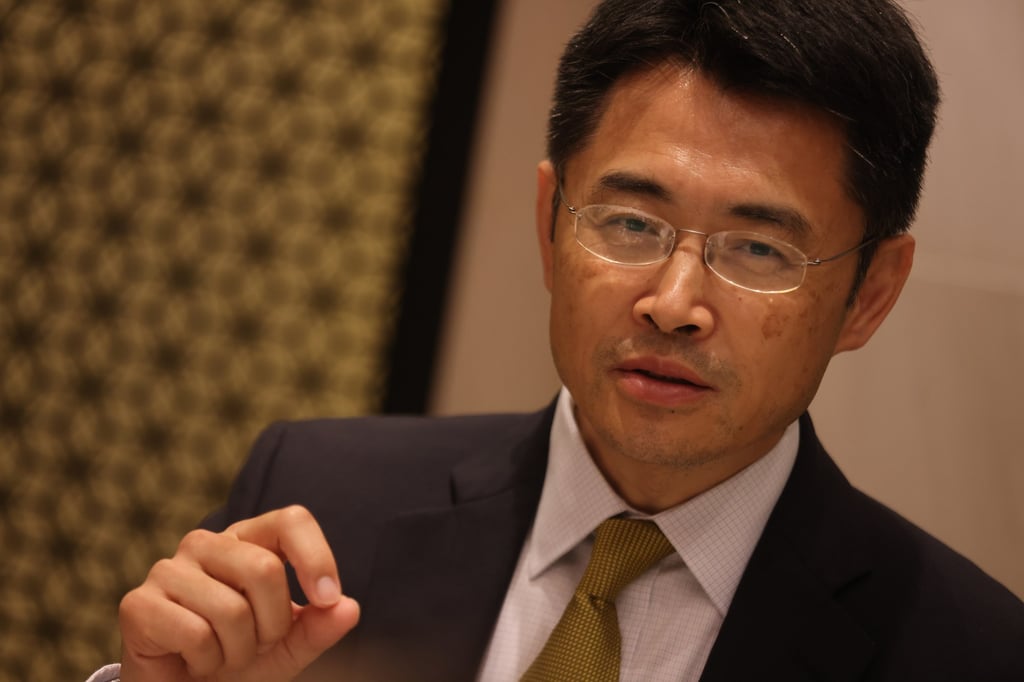
“Price cut is a weapon of the strong [and] only companies with the highest cost competitiveness, best technologies and all-round ability survive,” Michael Wu, co-president of Zhejiang Leapmotor Technology, said in an interview on Monday.
“Although the price war is expected to be the norm in the next few years, the real survivors are expected to emerge by the end of this year,” he said, adding that he wants Leapmotor to be the Uniqlo and Toyota of the EV market, referring to the popular Japanese apparel maker and carmaker that appeal to a wide customer base.
EV makers in China, the world’s largest automotive market, have been entrenched in a price war since last year, with leading players such as Tesla and BYD reducing their prices and launching promotions to gain a larger share of the market amid slowing demand.
Foreign legacy carmakers are less competitive in China’s EV market because of their slow progress on electrification and their lack of understanding of the Chinese consumer, Wu said. The market will be dominated by start-ups and Chinese traditional carmakers that transition to EVs faster than their foreign peers, he added.
The Hangzhou-based carmaker is eyeing deliveries of 250,000 to 300,000 units globally this year, more than double last year’s 144,145 units at the top end of the target.
Leapmotor, which listed in Hong Kong in 2022, achieved positive operating cash flow for the first time in 2023, according to its annual results in March. It also made an annual gross profit and achieved a gross margin of 0.5 per cent.