Countdown to Day Zero: Cape Town contemplates permanent water-scare life as it fights worst drought
Authorities are seeking ways to battle the shortage, including building desalination plants, extracting groundwater from aquifers and reducing water leaks due to ageing infrastructure

The day that Cape Town’s taps are expected to run dry has been moved from late April to the first week of July, but its water woes are far from over – even if Day Zero doesn’t even happen this year. Experts think Day Zero is inevitable. In truth, South Africa’s key tourist capital and other parts of the Western Cape province will stay water-scarce for the foreseeable future. Climate change is a key culprit, which means that permanent, structural changes are going to be necessary for long-term development, including for the all-important wine and tourism industry.
The local and provincial authorities are therefore trying to make the region more drought resistant. Decreasing Cape Town’s near-total dependency on the rain is key.
“A few years ago, 100 per cent of our water came from rain. By the end of this year, we want 12 per cent of our drinking water to come from alternative sources,” says Tim Harris, CEO of the Western Cape’s trade and investment promotion agency Wesgro. “This includes building desalination plants, which can give us with 16 million litres of water per day, and extracting groundwater from aquifers. This could result in another 120 million litres daily.”
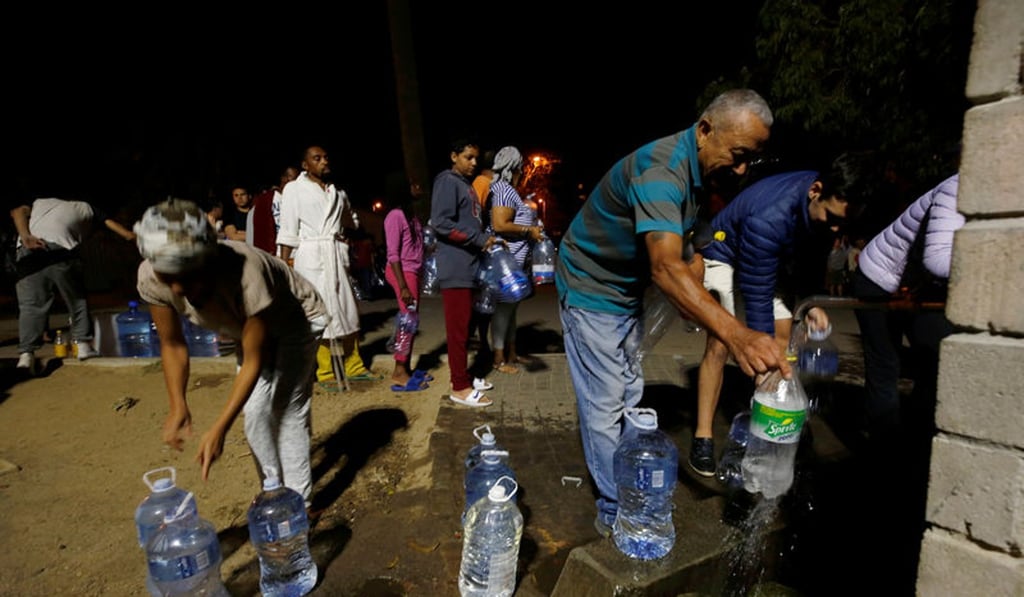
A few years ago, 100 per cent of our water came from rain. By the end of this year, we want 12 per cent of our drinking water to come from alternative sources
In the meantime, the municipality says it has intensified the fight against water leaks, a chronic problem in South Africa due to ageing infrastructure. Cape Town has 11,000 kilometres of water pipes, with 16 per cent of its water lost due to leaks, compared to 34 per cent losses nationally.