Tilapia’s reign as America’s favourite fish may be over as Trump taxes Chinese seafood

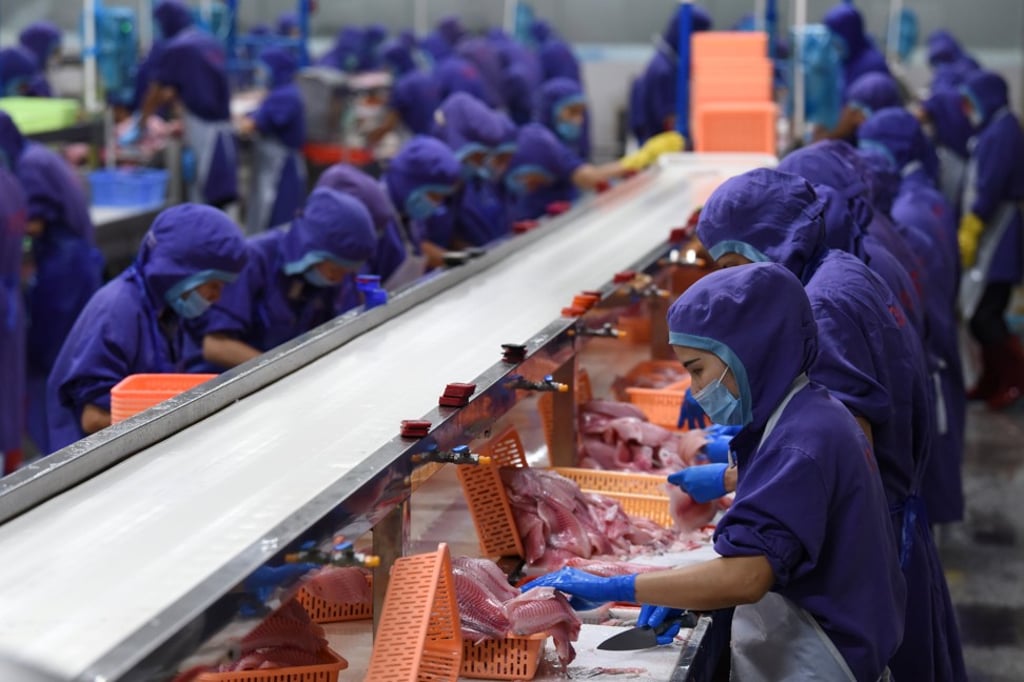
Tilapia’s rise to ubiquity across US restaurants and seafood aisles over the past decade has been rapid. Now that the Trump administration has targeted Chinese seafood with a 10 per cent tariff, its golden age may be coming to an end.
The fish, popular for its mild taste and low cost, is among the estimated US$200 billion of items that could rise in price for US consumers as President Donald Trump aims to erase the nation’s long-standing trade deficit. Now, importers and distributors are on high alert to see whether tilapia emerges unscathed from a late-August public comment period on the proposed tariffs.
If not, the product could become an example of how even minor cost increases can reverberate across supply chains and economies as the hospitals, nursing homes and schools that buy frozen Chinese tilapia are forced to look elsewhere for cheap protein – or pay more.
“We can’t absorb the cost of tariffs if we have to pay more for tilapia,” said Dan Fusco, President of Global Food Trading, an importer and distributor of frozen fish to wholesale distributors. “We will raise the prices.”
Kevin Fitzsimmons, a professor and researcher at the University of Arizona as well as a director of Americas Tilapia Alliance, says that US consumers will suffer more than Chinese producers, since they have made inroads in other markets such as Europe, Russia and the Middle East.