Chinese fund managers buy new-energy stocks and ditch tech giants, quarterly portfolio report shows
- Sungrow Power Supply, WuXi AppTec and Shanxi Xinghuacun saw the biggest increases in holdings of fund managers in the third quarter
- Total assets managed by China’s mutual funds increased 4 per cent quarter on quarter to US$3.7 trillion at the end of September

Chinese money managers added holdings of new-energy, pharmaceuticals and small liquor distillers in the third quarter, while trimming positions in technology juggernauts and companies with exposure to the property industry, according to mutual funds’ quarterly reports.
The total assets managed by China’s mutual funds increased 4 per cent from the previous quarter to 23.4 trillion yuan (US$3.7 trillion) at the end of September, with 6.4 trillion yuan allocated to stocks, according to the data by Eastmoney.com. The industry’s equity holdings accounted for about 7 per cent of the total values of the companies trading on the onshore markets.
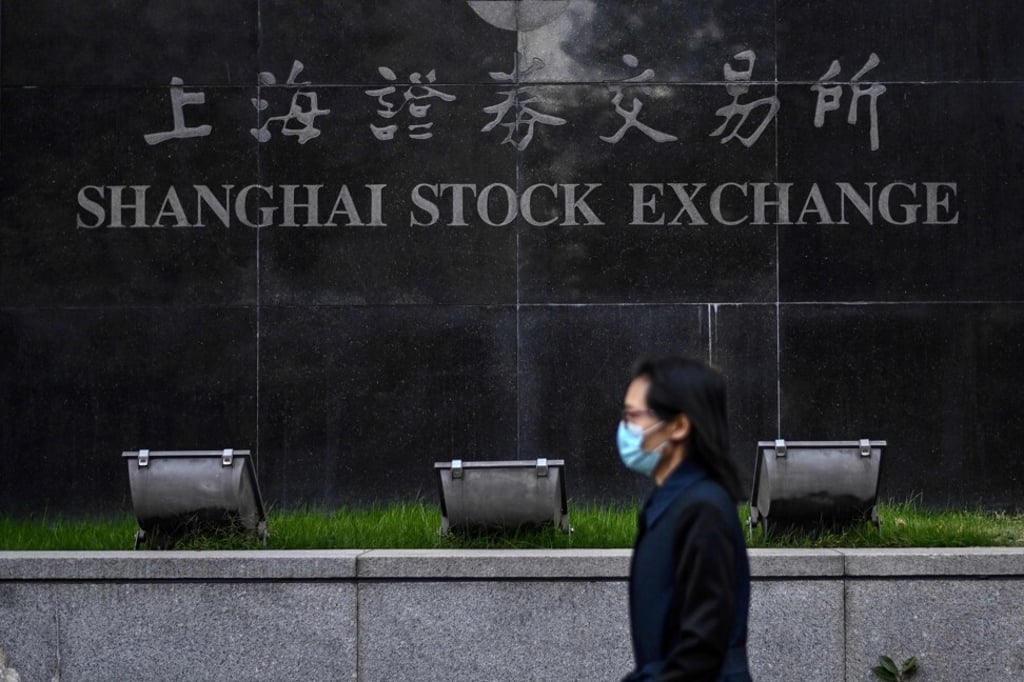
China’s Shanghai Composite Index lost 0.6 per cent in the third quarter, as the diversity of the industries the listed companies are engaged in provided shelter from Beijing’s unprecedented scrutiny of the technology industry. In comparison, Hong Kong’s Hang Seng Index had a brutal quarter, slumping 15 per cent, as about a third of the market caps of the companies on the benchmark were directly exposed to the regulatory onslaught.