China property distress drives up Asian junk bond default rates amid economic headwinds, liquidity challenges: Morningstar
- The annual default rate in the Asian high-yield universe rose to 16.8 per cent in 2022 from 13.2 per cent in 2021, the firm said in a report on Wednesday
- Bonds rated below B comprised 4.6 per cent of the high-yield bond universe in September, versus 2.5 per cent a year ago

Bonds rated below B comprised 4.6 per cent of the high-yield bond universe in September, versus 2.55 per cent a year ago, the firm said in a report on Wednesday, citing JPMorgan data. Bonds rated below BBB- are considered high yield bonds.
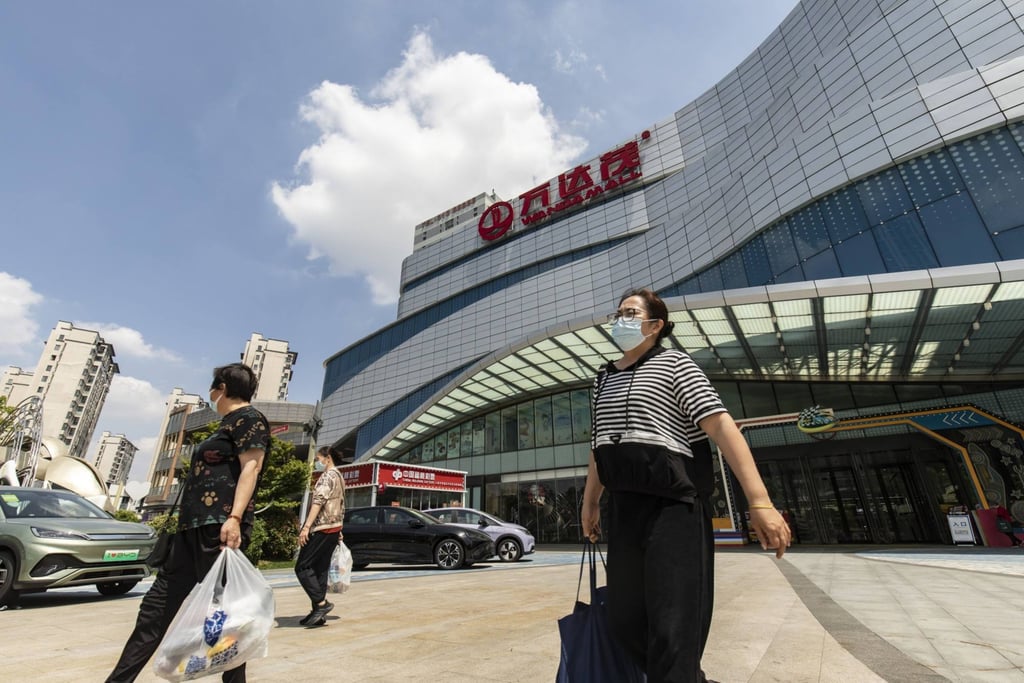
“The elevated level of defaults can be chiefly attributed to the distress in the Chinese property sector, which has suffered due to macroeconomic headwinds, slumping property sales, and mounting liquidity challenges,” Arvind Subramaniam, senior analyst at Morningstar, said in the report.
China’s property sector has racked up US$114 billion of cumulative defaults since the beginning of 2021, and that accounted for 94 per cent of total defaults in Asia over that time frame, according to JPMorgan. Another US$8 billion could still be at risk of default in 2024, analysts including Soo Chong Lim said in a note last week.
The intensifying crisis in certain sectors had resulted in an unprecedented level of defaults in Asian high-yield bonds, despite the generally subdued level of global defaults, Morningstar said. The annual default rate in the Asian high-yield universe rose to 16.8 per cent in 2022 from 13.2 per cent in 2021, the report said, referencing JPMorgan data. This is way higher than the historical default rate, which had ranged between 1 per cent and 3.5 per cent since 2009, according to Morningstar.