China’s yuan more popular as reserve currency despite trade war, IMF data shows
Yuan’s share of global foreign exchange reserves rose to 1.84 per cent in the second quarter, as many central banks looked past US-China trade war

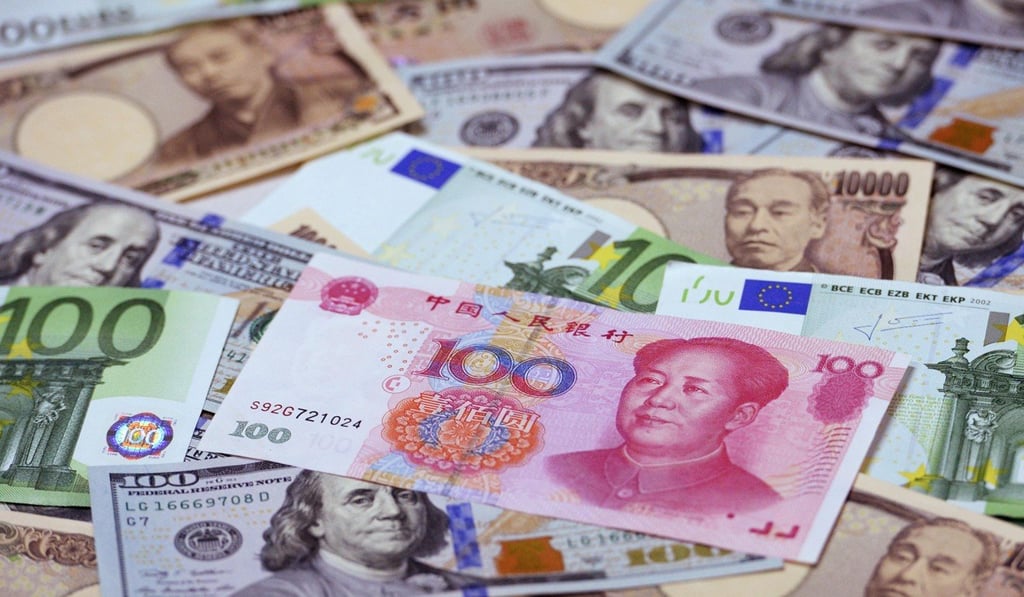
Central banks around the globe are investing in more Chinese yuan as part of their foreign exchange reserves, with the currency moving up one notch in the global league table of central bank holdings.
Despite the progress, however, the yuan’s share of total reserves remains modest and well behind that of the “big three” currencies – the US dollar, the euro and the Japanese yen – as a reserve asset.
The share of China’s yuan in global central bank reserves rose one position, overtaking Australia’s dollar, to take sixth place among all currencies, despite mounting US-China trade tensions and a decline in the yuan exchange rate, according to the latest data from the International Monetary Fund (IMF).
Some central banks see the uncertainty emanating from the trade war as temporary only, and remain positive over China’s long-term outlook
Holdings of yuan assets by global central banks increased for a fourth straight quarter to US$193.4 billion in the second quarter of this year, to 1.84 per cent of all reserve assets, the IMF data shows.
That compares with the yuan’s 1.40 per cent share in the first quarter, 1.23 per cent at the end of 2017 and 1.07 per cent at the end of 2016.
“Some central banks see the uncertainty emanating from the trade war as temporary only, and remain positive over China’s long-term outlook,” said Chris Leung, China & Hong Kong economist at DBS Bank. “They may actually be adding to their yuan holdings because the currency has fallen so much, making it a cheap investment.”
In the second quarter, the yuan’s value slid 5.2 per cent against the US dollar, as the greenback rose due in part to the continued interest rate increases by the US Federal Reserve.