Rich Asian families take defensive approach to conserve wealth as coronavirus outbreak wreaks economic havoc
- The reluctance among some of Asia’s wealthiest families to rush for deals is potentially a warning sign for the global economy
- However, some are still keen to invest, especially family offices in China where the economy is reopening

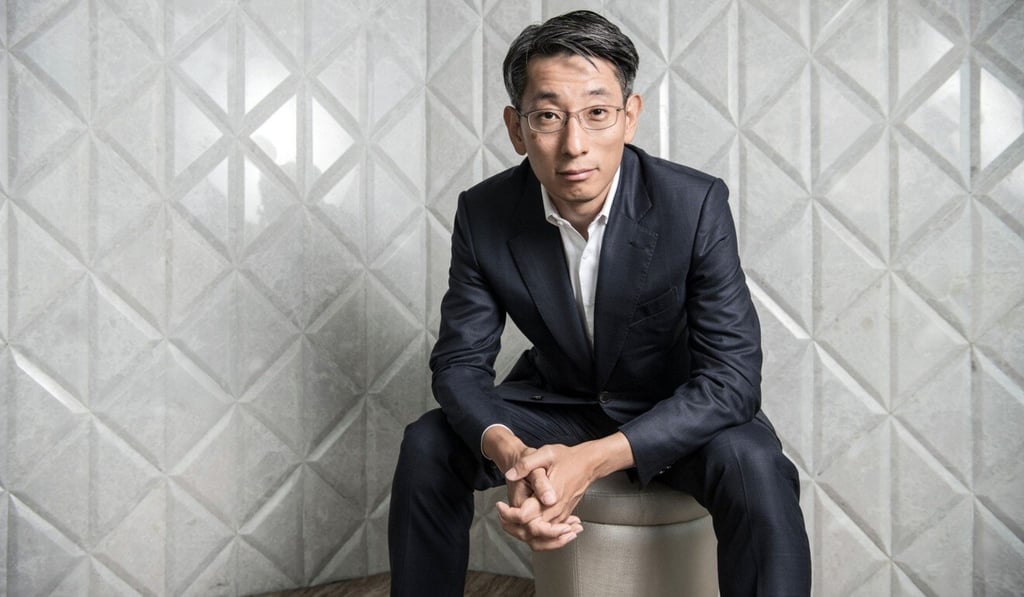
In September, as Hong Kong’s streets filled with tear gas and protesters, third-generation heir Tony Yeung remained confident the city’s economy would bounce back from the turmoil. He regularly flew between Asia and Europe helping his family office and partners hunt for deals.
Now, deep in the midst of the economic havoc wrought by the coronavirus outbreak, Yeung is one of many Asian family office executives worried that a rapid recovery is unlikely. As some uber-rich US and European clans rush to buy assets at bargain prices, their Eastern peers are generally more cautious – managing their holdings and hoarding cash in preparation for worse to come.
“We have taken the most conservative approach to monitor our portfolio first and to be on the defensive side overall,” said Yeung, whose wealth comes from property developer Peterson Group, where he is chief executive officer. “As a family it’s OK to miss an opportunity, it’s less OK to lose money.”
The reluctance among some of Asia’s wealthiest families to rush for deals is potentially a warning sign for the global economy. While many western family offices managing ‘old money’ resemble regular investment firms, Asian wealth tends to be newer, with the original businesses still at the heart of the operation. This gives them a front-line view of the real economy – from hotels and retailing to manufacturing and shipping – suggesting forecasts of a rapid rebound after a short, sharp recession may not pan out.
Family offices manage the wealth of either a single super-rich clan or a group of wealthy families. Globally, there were more than 7,300 as of mid-2019 managing assets of US$5.9 trillion, according to Campden Research. While their structures and natures vary, they have a universal goal to protect and grow wealth, helping them to adopt a long-term view during periods of market turmoil.