
US dollar is no longer king as Asean adopts currency swaps
- Given the choice between bread and bullets from China and America, most Asian leaders will be perfectly pragmatic
- The developments will inevitably reduce the use of the US dollar and weaken its financial hegemony

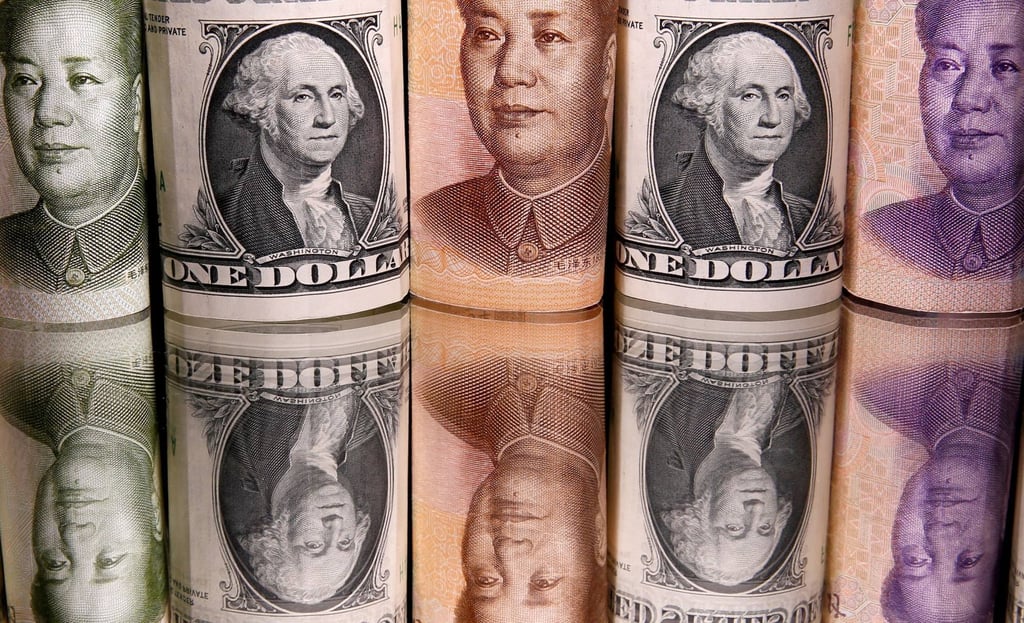
China has been hard at work with its Asian neighbours to promote the use of local currencies in regional trade and investment. Such bilateral currency swaps, as they are called, will help strengthen their economic integration, especially among member states of the Association of Southeast Asian Nations (Asean), and provide a greater financial safety net within the region against external shocks.
They are also a natural evolution as the centre of gravity moves away from the American dollar-dominated trade and financial system towards Asia and its rising economies.
Yi Gang, governor of China’s central bank, has rightly hailed the increasingly close Asian economic interdependence, at a recent gathering of the Group of 20.
Regional currency swaps are also important developments as Beijing moves slowly towards the internationalisation of the yuan, and its growing acceptance within the Asean regional trade system.
Meanwhile, Moscow and Beijing have agreed a 30-year contract to supply gas to China via a new pipeline and will settle the new gas sales in euros, bolstering a strategic alliance as both countries face increasingly strained relations with the US and its Western allies.