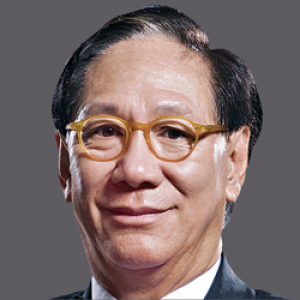
Hong Kong's biggest trade union is failing workers by giving up on working hours legislation
Albert Cheng criticises the pro-Beijing union for not protecting the rights of Hong Kong workers, whose bargaining power is already weak

Many in Hong Kong hadn't the foggiest idea who Stanley Ng Chau-pei was until he proposed, in his capacity as a deputy to the National People's Congress, that the mainland should impose its own national security laws on Hong Kong.
Ng, who is chairman of the Federation of Trade Unions, was in the limelight again two weeks ago when he appeared in a press briefing by the government's Standard Working Hours Committee. After months of meetings, the committee said it had failed to reach consensus on a "one size fits all" formula and left the issue to individual employers and their staff. The two sides are now supposed to set out terms in their private employment contracts.
It is ironic for the head of the biggest union in Hong Kong to raise the white flag on such an important labour issue. Even Chan Yuen-han, one of two FTU honorary presidents, has lambasted both Ng and Chief Executive Leung Chun-ying in public for failing the workers.
Founded in 1948, the FTU claims over 341,000 members. It supported Leung in the last chief executive election. This is not the first time that the FTU has betrayed the workers. Before the 1997 handover of sovereignty, legislators rushed to enact a law to recognise labour unions' right to collective bargaining.
After the special administrative region was established, the FTU sided with the new government to have the law repealed by the then Provisional Legislative Council. The regressive move severely undermined employees' bargaining power.
Industrial actions in Hong Kong are few and far between. In a recent case last October, deliverymen at Coca-Cola's production line in Sha Tin went on strike to demand better working terms. Collective bargaining was on their wish list.