Asia’s water can be a source of harmony, not conflict
Sundeep Waslekar says China’s establishment of an international agreement on water cooperation in the Mekong region is encouraging, and it should be reflected in similar arrangements across Central Asia

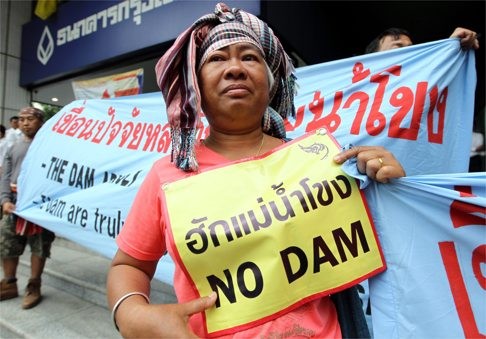
In November, foreign minister Wang Yi ( 王毅 ) hosted counterparts from countries sharing the Mekong River to announce the establishment of the Lancang-Mekong cooperation mechanism. China’s decision to join the Mekong River cooperation process will not only help manage water resources, but also promote stability in Southeast Asia. Laos’ plans to build dams on the Mekong threaten to spark conflicts with Cambodia, Thailand and Vietnam. China can use its influence with neighbouring countries to find collaborative solutions.
China could also promote transboundary water cooperation in Central Asia to prevent military conflict and environmental disasters.
China’s establishment of the cooperation mechanism can bring long-term peace and stability to this part of Asia
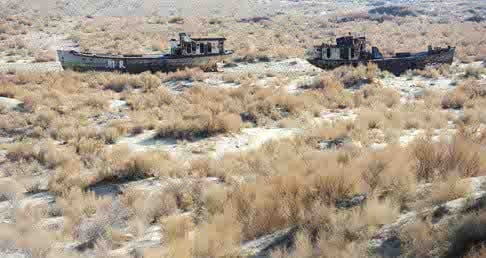
The five-million-year-old Aral Sea, for example, has been fast disappearing over the past 50 years and is now only a tenth of the size it was in 1960. Central Asian countries cannot draw borders in the land that has replaced the sea. Moreover, Kazakhstan and Uzbekistan feel highly insecure about Tajikistan’s dams. Failure to cooperate in the management of water resources has deprived farmers of their livelihoods and created a risk of people becoming refugees. China cannot benefit from its “One Road, One Belt” initiative through Central Asia if the region faces deprivation and violence. Much of the problems have been caused by water bureaucrats monopolising rivers and lakes. If China, along with Russia, can convince Central Asian leaders to arrive at a pragmatic agreement, it will not only save the environment but also prevent conflict.
A day after Wang hosted Asian foreign ministers in Jinghong, Yunnan, to launch the Lancang-Mekong cooperation mechanism, Didier Burkhalter, the Swiss foreign minister, hosted ministers from 15 countries in Geneva to launch the panel. It aims to prepare a global architecture to transform water from a source of potential crisis into an instrument of peace.
The risk of war over water is being recognised all over the world
If the panel succeeds in proposing an acceptable framework, Asia will gain the most, with 1.5 billion of its people living in shared river basins. If, however, the panel fails in its mission, the depletion of water resources – currently occurring at the rate of 320 billion cubic metres per year in Asia and the Middle East – will continue. By 2030-2040, China and other countries in Asia will face food shortages. This will drive food prices higher, causing social and political turbulence. Most of the losers will be in Asia.