Less materialistic young people are leading the charge to a sustainable future
Bernard Chan sees hope in the younger generations here and elsewhere who are taking action to change the wasteful consumption habits that our modern economy depends on

I recently attended a Consumer Council conference on sustainable consumption. The basic question was: how can we have the material things we need and enjoy, while leaving our children with a world that can meet their needs too?
Secretary for the Environment Wong Kam-sing explained the government’s own internal measures, such as the adoption of detailed green procurement guidelines. And he mentioned regulatory moves, like energy efficiency labelling requirements, which we will see in future when we buy household electronic goods.
READ MORE: Hongkongers willing if not quite ready to embrace sustainable consumption
Many other organisations, from schools to companies, are exploring ways to consume in a more sustainable way. Efforts to measure and reduce carbon footprints are an obvious example.
READ MORE: The true price of Hong Kong’s insatiable appetite for seafood
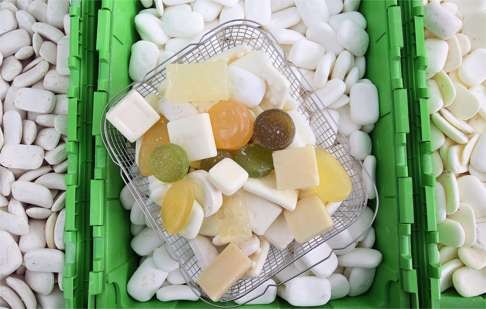
How much could people save during their working lives, if they used phones for five years, always got shoes repaired, and never threw away leftover food?
I would like to see more “producer responsibility schemes” to get industries to take back things like glass bottles and electronic equipment. But that idea would encounter resistance. There are limits to what people will accept in a free society.