Hong Kong’s listings reform is no turf war – just common sense
Andrew Sheng says that far from being regulatory power play, the proposed measures are evolutionary and will ensure Hong Kong gets in step with the times

In June, the Stock Exchange of Hong Kong (SEHK) and the Securities and Futures Commission consulted on the governance and decision-making process for Hong Kong listings. This generated so much heat that SFC chief executive Ashley Alder came out in late July to clarify what is being debated.
Some history helps. Prior to the SEHK demutualisation in 2000, its listing committee made all listing approvals. As a mutual organisation of members, the stock exchange also regulated its members. The SFC, established in 1989 following the 1987 crash to regulate both the stock and futures markets, had the power to investigate abuses of the law, in areas such as insider dealing, market manipulation and misconduct by intermediaries.
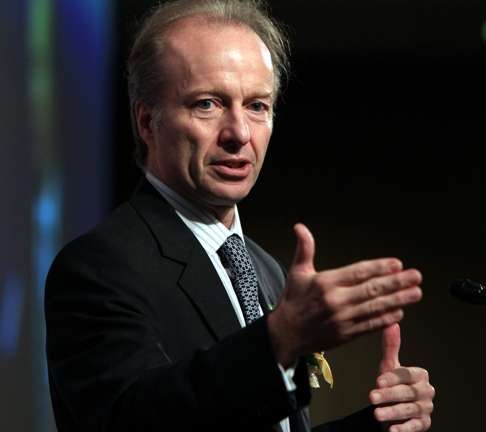
Turf war over Hong Kong’s stock market regulation: watchdog chief attacks critics of reform
When the Hong Kong Exchanges & Clearing (HKEX), as the SEHK holding company, was listed in June 2000, its legal powers had to change, because it was not appropriate for a subsidiary to regulate its owner, and for a for-profit listed company to regulate its listed peers. To get political agreement for the demutualisation of the SEHK, HKEX was “grandfathered” and retained its monopoly as a provider of equity trading platforms and clearing.
But, clearly, only a statutory body can be given statutory powers to regulate and enforce breaches of the law. After much lobbying to retain the status quo, a compromise system called dual filing was agreed. All material required for company listings must be submitted simultaneously to the SEHK Listing Division and the SFC. The SFC vets the material for any breaches of the law, leaving much of the business decisions to the listing committee, chaired by a private-sector person. The committee has always comprised business leaders and professionals who understand the markets.
The one area of potential conflict between the business side of HKEX and the SEHK’s regulatory functions is whether its business decisions might compromise regulatory quality. The risk is that, in the marketing of initial public offerings and the promotion of HKEX business, no one should be able to offer compromises in regulatory quality. The system has worked reasonably well, but there is always room for improvement. The consultation is an attempt to streamline the processes.
As a free market, Hong Kong debates are often painted in black and white, as if every proposal for change is a power shift, in which if the officials win, Armaggedon will ensue, compromising Hong Kong’s precious free-market reputation.