Hong Kong’s next chief executive must have a vision for the youth of tomorrow
Ken Chu says the Hong Kong 2030+ study presents an opportunity to press for the innovative use of land and infrastructure, to benefit young citizens and professionals of the future

In his policy address last week, Chief Executive Leung Chun-ying said the government would carry out strategic planning for major transport infrastructure to support the long-term land use strategy of Hong Kong beyond 2030.
Watch: Leung Chun-ying’s farewell policy address
There is no doubt that land planning can help Hong Kong achieve its strategic goals and redirect policy focus to enhance its competitive edge, to meet future challenges. For example, visionary strategic planning may make us realise that brownfield sites could be used for strategic policies that generate more overall benefits.
However, we can also consider how to maximise or look beyond the land-use policy parameter, with a view to creating opportunities for future generations to grow.
Hong Kong development secretary promises action on lack of living space
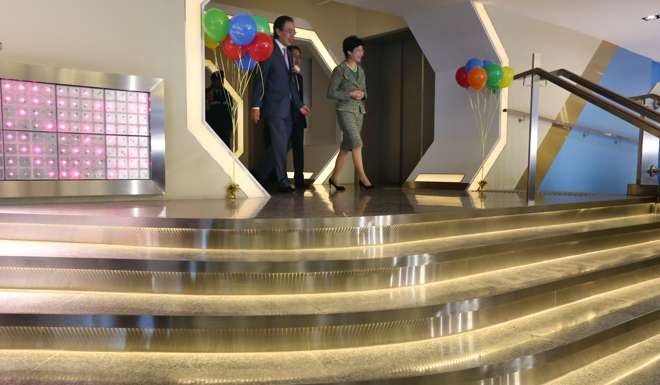
Office space in Genesis building offered at below market rents to entice creative industries
The world has changed dramatically since the last century, and the pace of change is getting ever more rapid. Facebook, for example, was officially launched in 2004, when iPhones or iPads were unheard of. Now, social media is ubiquitous, and most people cannot go a day without their electronic devices. If Moore’s law about the pace of the digital revolution continues to hold true, we will see exponential growth in technology that will change the face of the Earth and drastically affect our life in an even shorter time. For example, one California-based aviation company has developed a jetpack that will allow civilians to experience personal flight. What will the world really look like in, say, the year 2030? More importantly, what will Hong Kong have become or have to face? What opportunities will be available for future young generations?