‘America first’ thinking won’t survive in a hyperconnected world
Andrew Leung believes the forces for convergence are stronger than the trends pulling the world order apart

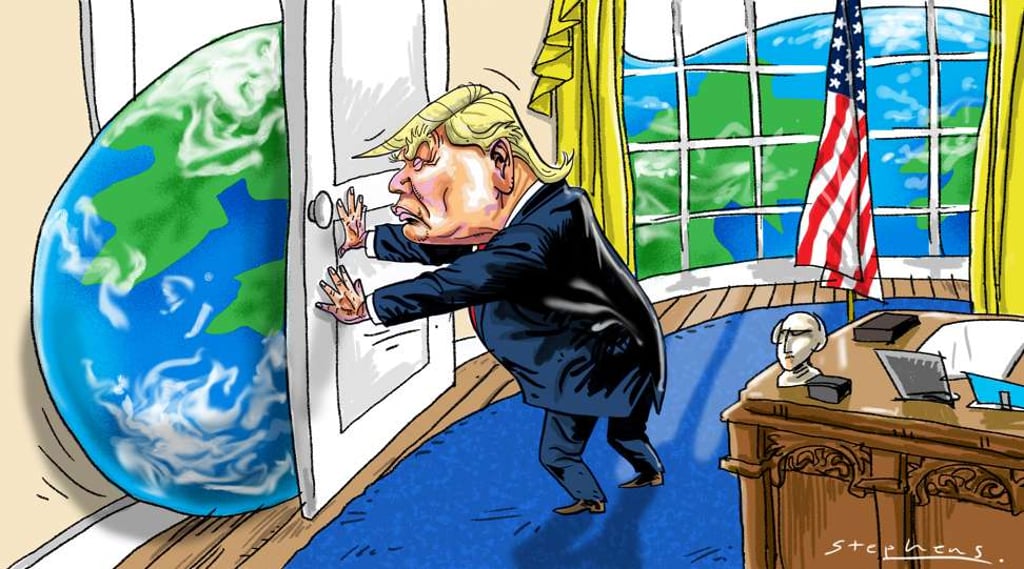
Some, like Robert Kagan of the Brookings Institution, think American exceptionalism backed by military dominance is the answer. Some, such as historian Niall Ferguson, proffer the idea of a tri-polar condominium between the US, Russia and China. Others, like Charles Kupchan of the US Council on Foreign Relations, think that the end of Pax Americana will usher in a “No One’s World”.
Trump seems inclined towards a detente with Russia as a possible counterweight against China. However, Russia is unlikely to get too close to the US, its cold war nemesis responsible for the collapse of the former USSR. Nor would Russia sacrifice its relationship with China, which is its largest energy customer by far, and a useful strategic hedge against American hegemony.
With Trump, Brexit and simmering tension in Asia, can the global security order survive 2017?
Smoke and mirrors aside, the tide of history seems to be flowing towards what I would call a “common destiny with diversity”. The signs are manifold.
First, military hegemony doesn’t work in an age of advanced nuclear powers. Even though the US has the world’s most powerful military, both Russia and China possess sophisticated short- and long-range nuclear deterrence capabilities. Redoubling America’s military is likely to trigger an asymmetric arms race, encompassing cyber and space. This would boost mutual deterrence between the great powers.
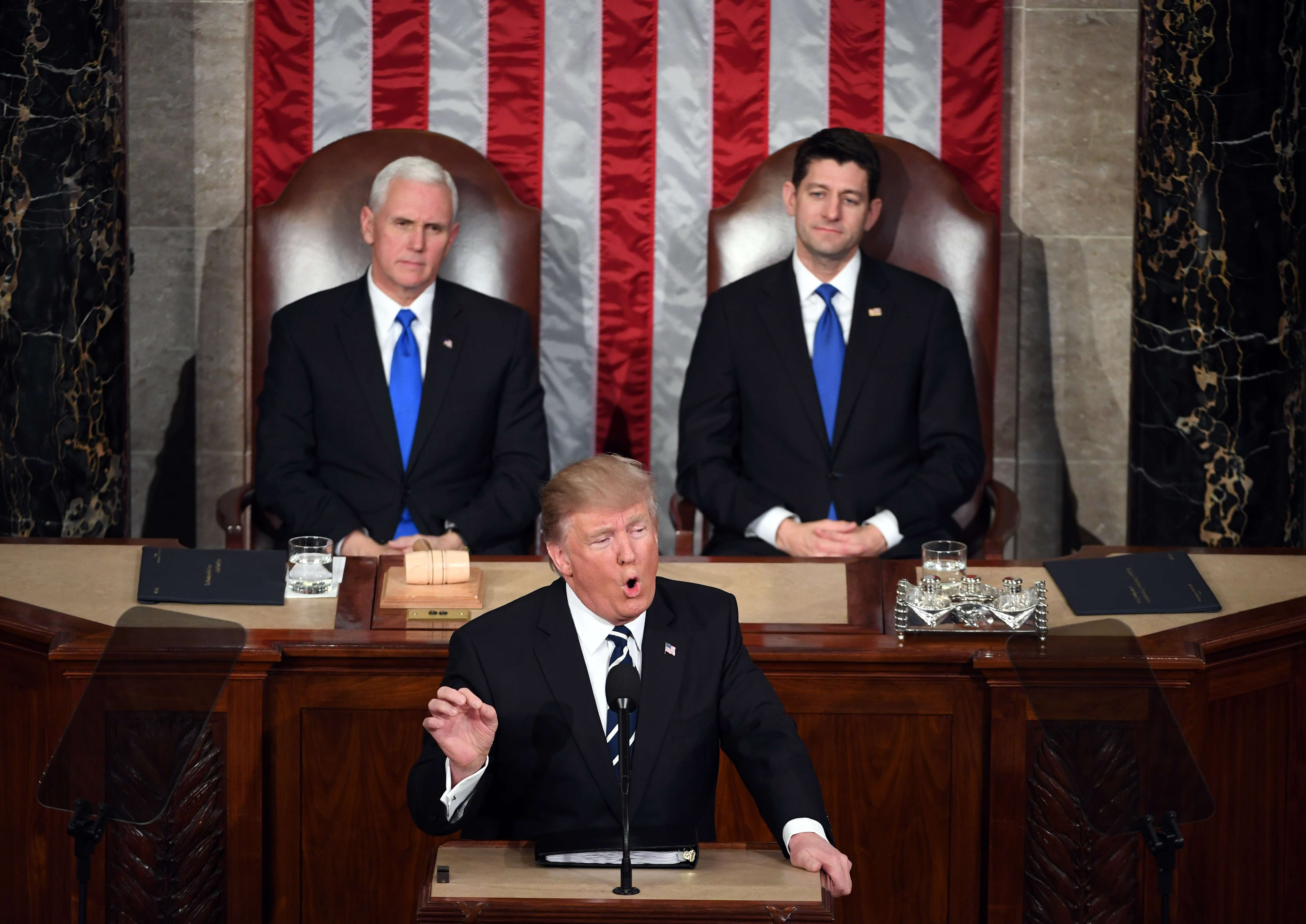
China can shine on the UN stage, as Trump puts America first
Nor would trade protectionism and coercion work to secure Trump’s “America first” policy. For a start, trade protectionism has never worked historically. Now, with global supply and value chains straddling different economies, any tariffs will raise the costs of imported materials for home production, making it even less competitive. Likewise, relying on bilateral trade agreements will lead to fragmented trade flows through globalised value chains. This is bound to affect profitability.