How science can drive Hong Kong’s economic growth
Matthew R. Evans says universities play a vital role in developing a knowledge-based economy and Hong Kong must not only continue to nurture research, encourage cross-disciplinary study and foster collaboration; it also needs to develop a through train from the science lab to the market

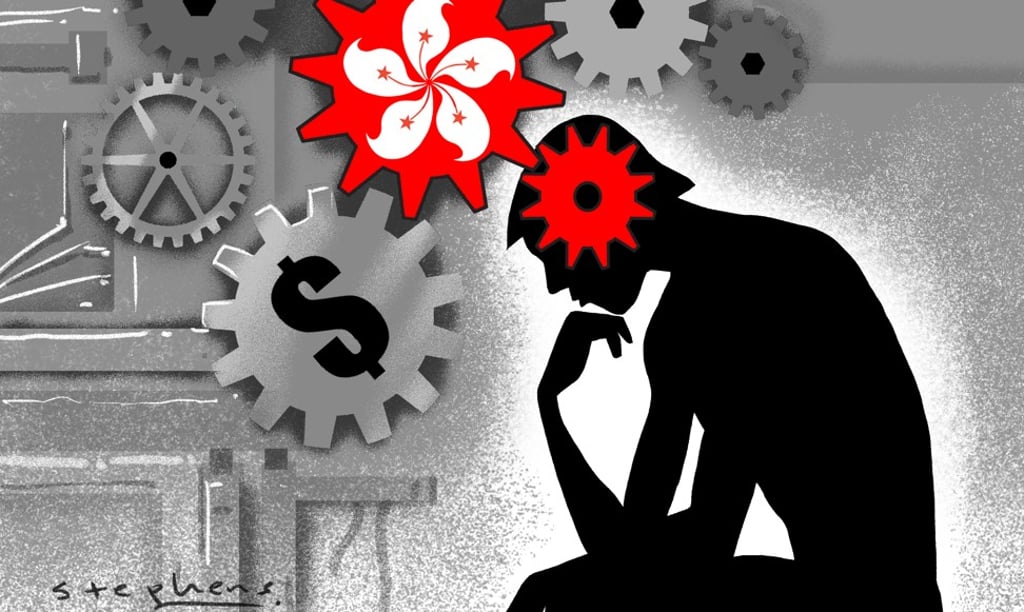
This article is being written, and will most likely be read, on a computer screen that is only a few millimetres thick. Such screens are the products of research on organic light emitting diodes that began in France in the 1950s and was continued in New York in the 1960s and is now being conducted at the University of Hong Kong. The contributions of science are so pervasive in society that we tend to dismiss them, but, without them, we would be literally and figuratively lost.
The world around us is changing very fast. There are huge changes in technology occurring almost daily, climate is changing, opportunities and hazards emerge frequently. This is why all economies require a scientifically literate population and universities play a key role in educating people to the highest level. In addition to this educational role, the research activities of universities is critical; I would argue that while the primary function of research is not to generate economic growth, it is critical to achieving such growth.
Sometimes there is a fairly straightforward link via patents and spin-off companies to economic activity. Other times the link is more indirect, we might not have a commercial outcome in mind but one might emerge later, but we do not know at this point.
“The economy, stupid” was a catchphrase used during Bill Clinton’s 1992 US presidential campaign. It was meant to remind Clinton’s team of the importance of the economy to voters. Hong Kong’s economy is dominated by financial services and the import-export trade (each representing just under 20 per cent of the city’s gross domestic product).