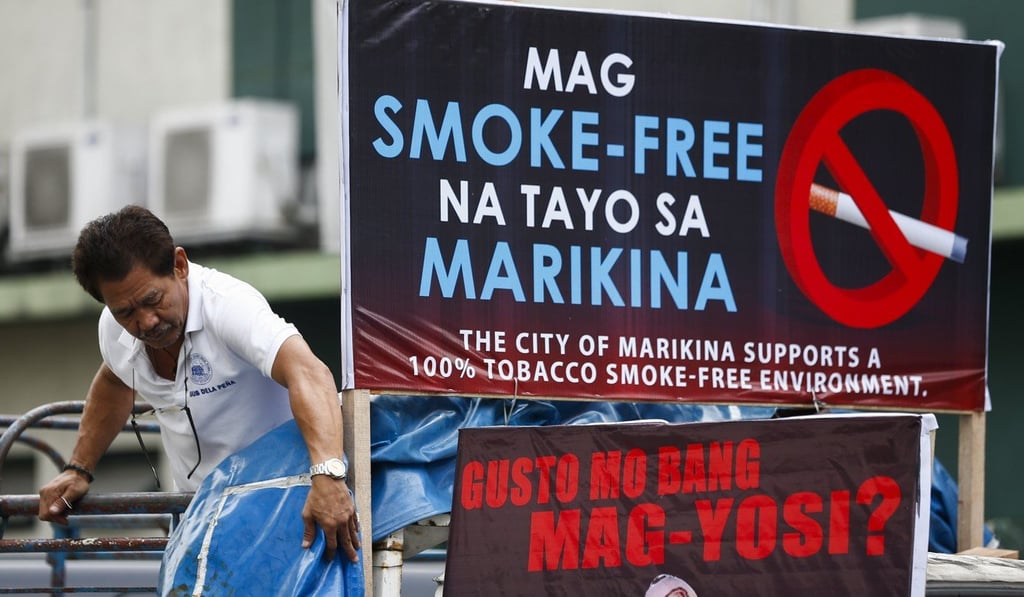
On World No Tobacco Day, a pledge to free millions from the poverty trap called smoking
Shin Young-soo calls for stringent policies and taxation as deterrents to tobacco use, as the habit not only kills but keeps entire households in long-term ill health and poverty across Asia and the Pacific

In a small fishing village in Vietnam, 27-year-old Duong pockets US$2 from his weekly earnings of US$15 from fish sales, and looks forward to the pack of cigarettes he will buy with it.
His wife tells him she needs another US$2 to buy rice for the rest of the week. Duong stops to think, and then walks to the nearest store to buy his favourite pack.
We have long known tobacco use is bad for health. Less well known is how this hurts poor and vulnerable families. Millions of stories like Duong’s play out across Asia and the Pacific every day: meagre household resources are spent on tobacco, instead of food, shelter and education. For already impoverished families, even a small diversion of resources from basic necessities can have a huge impact. And that is before the impact of tobacco-related illness, the costs of which can plunge poor families even further into poverty – or prevent them from escaping it.
Smoking keeps China’s poor mired in poverty
The WHO Western Pacific region is home to nearly 400 million smokers, with some countries there having the highest male smoking rates in the world – at over 90 per cent. Most tobacco-related deaths in the world occur in low- and middle-income nations. In the Western Pacific, about three people die every minute from tobacco-related diseases.
In China, the world’s biggest producer and consumer of tobacco products, a WHO-commissioned study found the death of a head of household, or “breadwinner”, from tobacco-related illness results in significant average yearly loss of household income – and the effect is long term. Households do not start to recover financially until at least 10 years after such a death.