Why the West and Japan should stop preaching to a rising China
Jean-Pierre Lehmann says the imperialist powers of old should acknowledge their own bloody history of plunder and exploitation, and work with Beijing to find a path to a peaceful rise, which so far is unprecedented
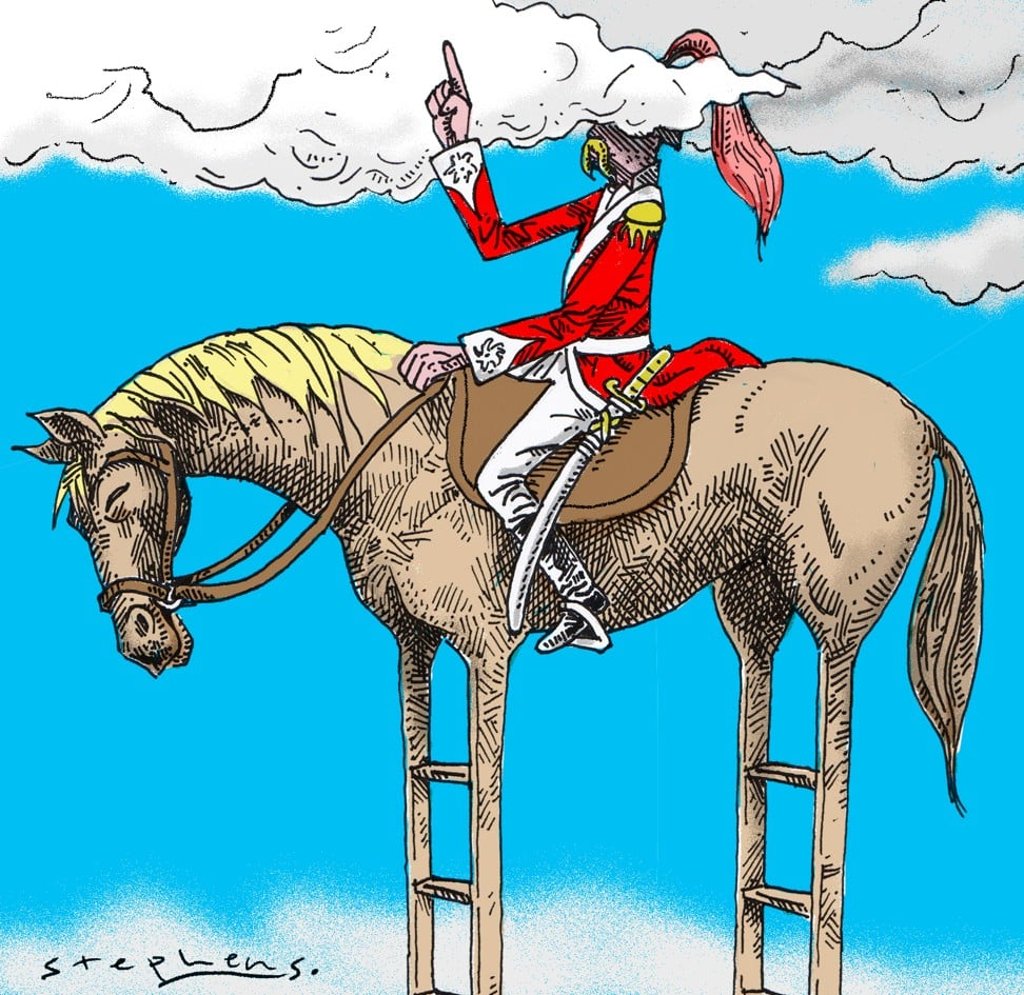
Instead of getting on their moral high horses, sermonising from the alleged position of liberal values, it would be far more constructive for the West and Japan to admit that they have often behaved abominably. Illustration: Craig Stephens
This year marks the anniversaries of a number of Asian historical landmarks. July 1 was the 20th anniversary of the handover of sovereignty over Hong Kong from the UK to China. August 8 will mark the 50th anniversary of the Asean declaration, the founding document of the Association of Southeast Asian Nations. This Friday, July 7, marks the 80th anniversary of the Japanese invasion of China, triggering the Pacific war that lasted until Japan’s surrender on September 2, 1945.
July 7 should be a day for reflection. Such was the case on June 6 three years ago, on the occasion of the 70th anniversary of D-Day in Normandy, when the French president François Hollande hosted, among others, US president Barack Obama, Britain’s David Cameron, Canada’s Stephen Harper, Germany’s Angela Merkel and Russia’s Vladimir Putin. This was one further indication that, while there are tensions in the Atlantic, the breakout of war, as occurred twice last century, is extremely unlikely.
Over the decades since the end of the second world war, there has been a great deal of dialogue, confidence-building and the establishment of solid institutions. Germany, for all the atrocities it committed, has been an exemplary European citizen and is arguably the Atlantic’s greatest guarantor of peace, just as it has proffered unconditional apologies.
Advertisement
Just as Germany has been the solution for peace in the Atlantic, Japan remains a critical problem for peace in the Pacific. In light of the composition and conduct of the Japanese government – with, inter alia, the Defence Minister Tomomi Inada paying regular visits to the Yasukuni Shrine, a sort of mausoleum for Japanese war criminals – it is highly unlikely that there will be reflection, let alone apology.
The Pacific war and its many ramifications tend to be ignored in Japanese education and public discourse generally. July 7 will not be marked by public forums among Japanese leaders, let alone with their Chinese, Korean, Singaporean or Filipino counterparts.