Hong Kong must join China to lead the bitcoin revolution, or be left in the dust
Jesse Friedlander says Hong Kong must move swiftly to recognise digital money and leverage China’s huge interest and stake in bitcoin, or become a casualty of tech-led globalisation

The rise of cryptocurrencies is one of the most important trends in global finance this decade. Non-sovereign-backed digital money is rapidly entering the mainstream consciousness, with billions of dollars in capital aimed at building business models based on the core distributive ledger technology that supports cryptocurrencies. Banks and other financial institutions are also investing billions to leverage the blockchain, to generate major cost savings and work efficiency throughout their organisations.
For Hong Kong, the advent of decentralised, virtual currencies is both a threat and an opportunity. While it has made some moves to encourage financial technology (fintech), Hong Kong has thus far limited government policy on cryptocurrencies to warning about their risks. The lack of a major technology incumbent, strong ecosystem or an important home market have Hong Kong lagging behind in innovation and development for e-commerce, social media or deep tech. This makes it all the more important for it to focus on fintech and the revolution in virtual money.
HK expected to be at the heart of blockchain
The appeal of reliable and unfettered cross-border financial transactions, free from regulatory hassle, is fuelling speculative fever for bitcoin and other cryptocurrencies, such as ethereum. Over the course of just five years, the price of bitcoin versus the US dollar has soared by more than 330 times. The combined market cap of the 20 top virtual currencies now exceeds US$150 billion, putting them on the radar of Wall Street firms that see their investment appeal.
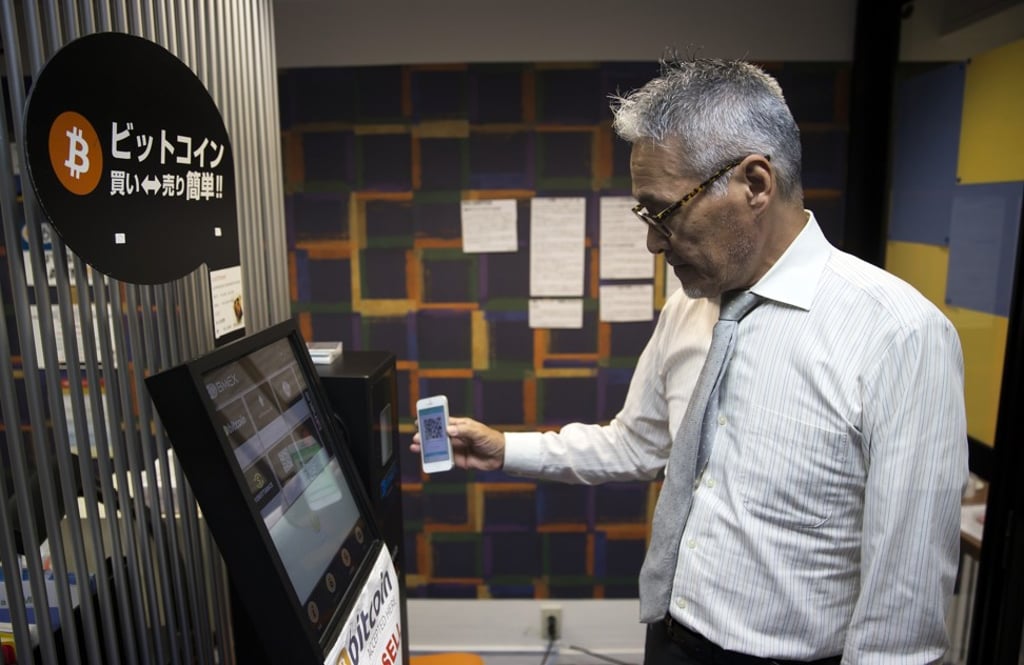
Burger King has launched its own version of bitcoin in Russia: the ‘WhopperCoin’
Hong Kong has done very little, with silence from the legislature, the Monetary Authority and stock exchange. Ironically, the key risk for Hong Kong is an economy that is too reliant on global and regional banks that will be forced to adapt to the rise of the distributive ledger. A vast number of Hong Kong’s highly paid professionals work in back- and middle-office functions involved in the processing and monitoring of financial contracts. Many of these jobs will move into cyberspace. Cryptocurrencies may also challenge the role of the US dollar and other fiat currencies. Hong Kong’s dollar-based currency and role as a financial intermediary could leave us a victim to the forces of technology-led globalisation.
The key risk for Hong Kong is an economy that is too reliant on global and regional banks