OpinionAre Hongkongers really ‘unhappy’, ‘arrogant’ and ‘racist’? Only if you believe what Google tells us
Peter Kammerer says we can’t read too much into online searches, but Google results about how Hongkongers, and others, are seen may indicate issues for policymakers to consider
Here’s something about computer science and life. Type into a Google search “Why are Hongkongers so”. Up will come a list of suggested words and phrases. When I tried this, I got, in order, “unhappy”, “arrogant”, “racist”, “rich” and “ugly”. I’m not sure what percentage of locals and outsiders plug in these terms, but we come out looking unpleasant.
Changing to “Singaporeans” results in “rich”, “ugly”, “rude”, “unhappy”, “skinny”, “racist”, “boring” and “unfriendly”. Japanese are commonly seen as “bad at English”, “polite”, “thin”, “healthy”, “short” and “smart”. Koreans are considered “good at gaming”, “white”, “pale”, “pretty” and “cute”. For British, it’s “cold”, “proud”, “smart”, “boring” and “good at music”. People wonder why Americans are “patriotic”, “angry”, “tall” and “proud”.
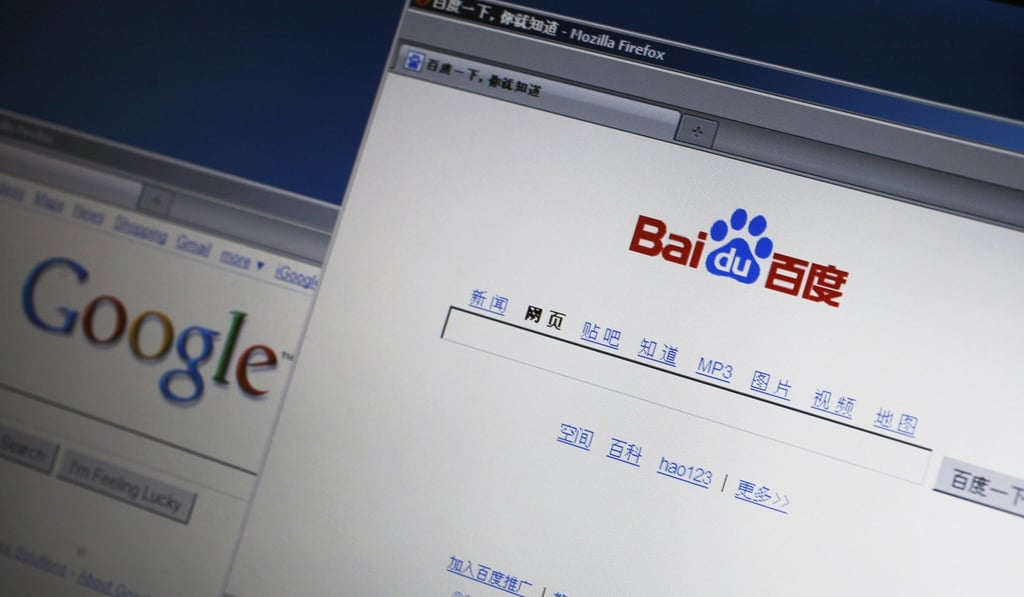
The home pages of Baidu and Google. Typing “Hongkongers” into search engines can produce some revealing answers. Photo: Reuters
Google algorithms are complex and search results are not necessarily the most popular, but I’m satisfied that there’s a fair degree of accuracy. I’ve heard people, in polite company and otherwise, say such things about the nationalities concerned and especially in the case of Hongkongers. They are generalised and not warranted for the whole population, yet there’s much to argue about and debate, even if it’s based on assumptions, preconceptions and stereotypes.
I’d wager that Hong Kong Chief Executive Carrie Lam Cheng Yuet-ngor has the top entry for the “Hongkongers” search – “unhappy” – in mind when delivering her maiden policy address on Wednesday. She’ll be thinking of those aged in their teens to early 30s who have been so vocal about unaffordable housing, the lack of decent jobs and a desire for a greater say in government. Then come the owners of small and medium-sized businesses who complain about the difficulty of turning a profit; they are likely to get tax breaks. Technology, seen as the solution to all our problems through the creation of new industries and opportunities, will also feature. We’ve heard elderly, subdivided flat-dwellers, the financially squeezed middle class, ethnic minorities and those in low-paid employment are also dispirited, but we’ll have to see if their grievances will be dealt with.
Advertisement
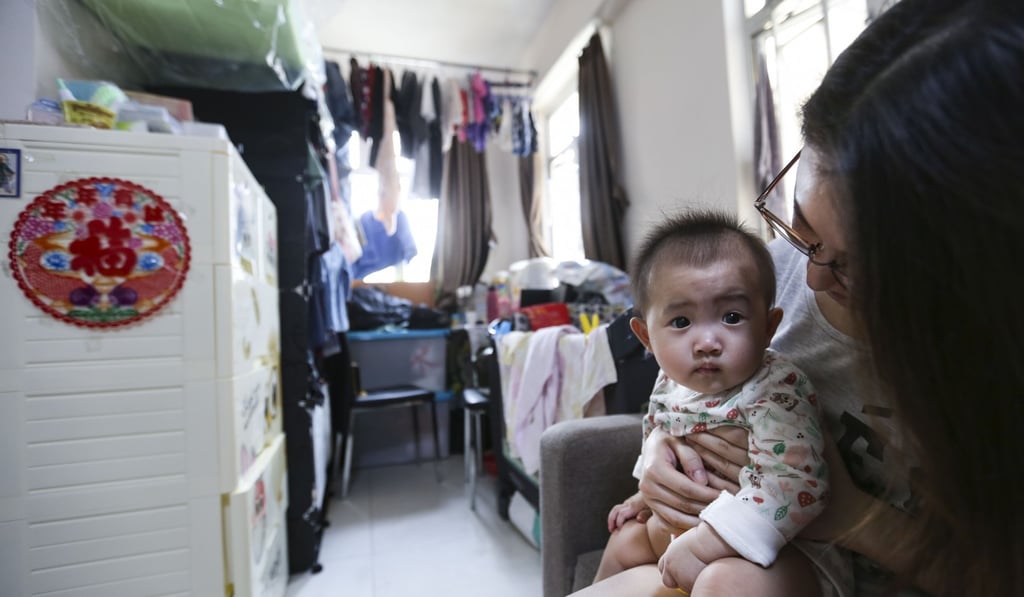
Yuen Yuk-ting and her eight-month-old baby daughter are seen in their small flat in Chai Wan in late September. Housing remains a worry for many Hongkongers. Photo: Xiaomei Chen
If Google and the websites behind its results helped shape government policies, I’d be worried. Lam and her team, we expect, have ideas based on proper on-the-ground scientific and social research rather than internet browsing and scouring social media. But that’s not to discount the value of online forays to get a snapshot of how we see ourselves and are perceived by outsiders.