Advertisement
Xi Jinping knows China can’t be great without taking care of its environment
Christine Loh says the emphasis on environmental protection coming from both the president and the constitution is a natural continuation of the party’s agenda of modernisation and social uplift
3-MIN READ3-MIN

China’s 19th party congress confirmed the importance of the environment in the nation’s dream of rejuvenation. President Xi Jinping raised specifics on environmental protection about 15 minutes into his 3½-hour political report on October 18, which shows the importance he places on it.
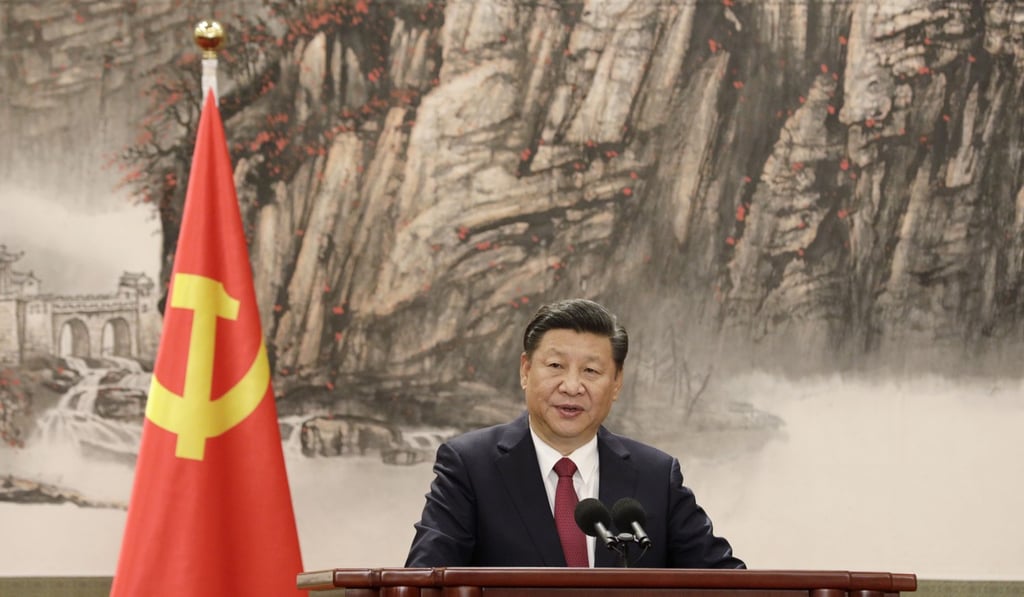
China urges US not to withdraw from Paris accord on climate change ahead of Trump visit
Some commentators assert that the report had little new and is long on rhetoric but short on substance. This is surprising: Xi offered both a report card and fulsome confirmation in every major policy area. Viewed in the context of the government’s many policy documents, such as on climate change, it is possible to see the full analysis, proposed solutions, action plans, timelines and targets.
Advertisement
Xi’s report needs to be seen in the context of the party’s overall goals in the past and future. Starting in the late 1970s, when China embarked on its modernisation path, the goal was poverty reduction, which is expected to be achieved for 800 million people by 2020 – an impressive “victory” by any measure.
Fighting pollution is as crucial as growth
Moreover, the party undertook in its 1982 constitution to make progress in economic, social, cultural and political rights. In 2012, it added the environment, a clear acknowledgement that much more is needed in order to clean up. The party even came up with a term – ecological civilisation – to emphasise that China’s development henceforth must include getting the environment right, too. Over the years, thought leaders within the nation’s policy institutions have assessed and reflected on China’s huge resource and environmental footprint in its fast-paced industrialisation to become “the world’s factory”. They concluded that China’s ecological capacities had been exceeded and that carrying on in the same way would be unsustainable.
Advertisement
Select Voice
Select Speed
1.00x