Winter Olympics will break the ice on many fronts – from peace to technology
Kim Won-jin says the Winter Olympics at Pyeongchang takes its cue from the tradition of using sports for peace that characterised the 1988 Summer Games in Seoul. In addition, it will dazzle with the technology of the future

The Seoul Olympics made a strong impression on people around the world. During the Olympics in Seoul in September 1988, the autumn skies were exceptionally blue, imbued with bright energy.
Before that, the 1980 Moscow Olympics and the 1984 Los Angeles Olympics, held in the midst of the antagonism at the height of the cold war, faced boycotts. The Seoul Olympics made a breakthrough in the fostering of world peace, with 160 countries taking part from all over the world, regardless of their beliefs and ideologies.
North Korean delegation arrives in Seoul – to protesters and police
Panmunjeom, the last cold war frontier where North and South Korea come face to face
So far, the Korean government has dedicated untiring efforts to making the Pyeongchang Olympics a festival of world peace, beyond ensuring safety, by encouraging North Korea to participate in the Winter Olympics. For Koreans, this event has a special meaning because Korea was selected as a host for the Winter Olympics after three attempts.
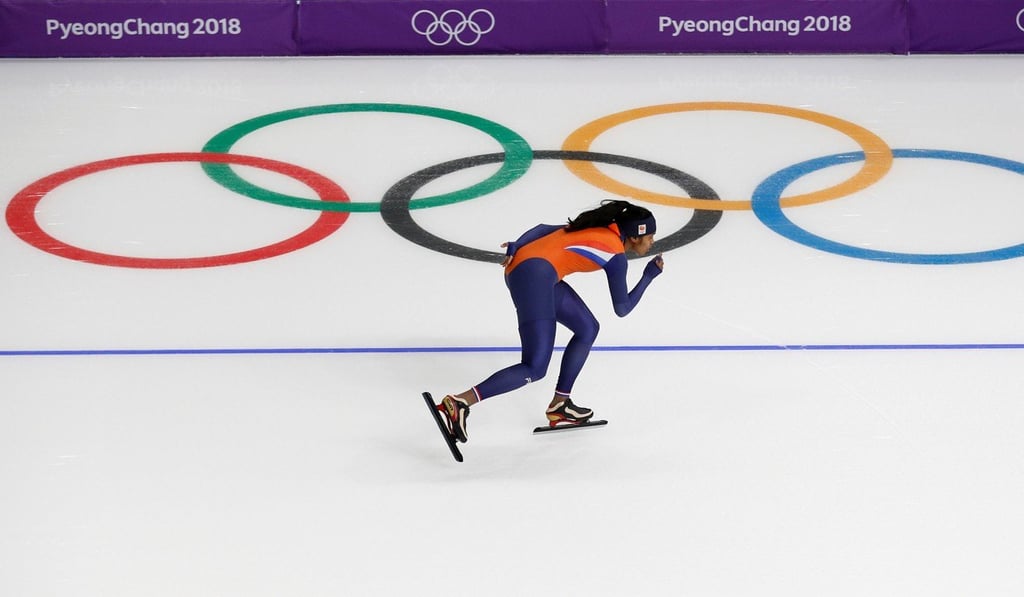
In this sense, the Pyeongchang Olympics stands both as a symbol of national pride and of peace: an overwhelming opportunity to further emerge as a fully fledged developed country and at the same time a means to move further forward towards the lofty goal of peace that cannot be forgone in the midst of the reality of a separated South and North.
The top tech at the 2018 Winter Olympics: 5G, VR, 4K, bullet time and SmartSuits
The Winter Olympics will be the second peace Olympics to be held at the site of the South-North Korea divide. Furthermore, it will be a celebration of sports and new technology: Pyeongchang will showcase the world’s first 5G service and hydrogen-fuelled self-driving vehicle during the event, following the successful demonstration of a hydrogen-fuelled car’s 190km autonomous drive from Seoul to Pyeongchang. In addition, around 500 cultural events will be held in venues in the vicinity of the stadiums throughout the Olympic period.