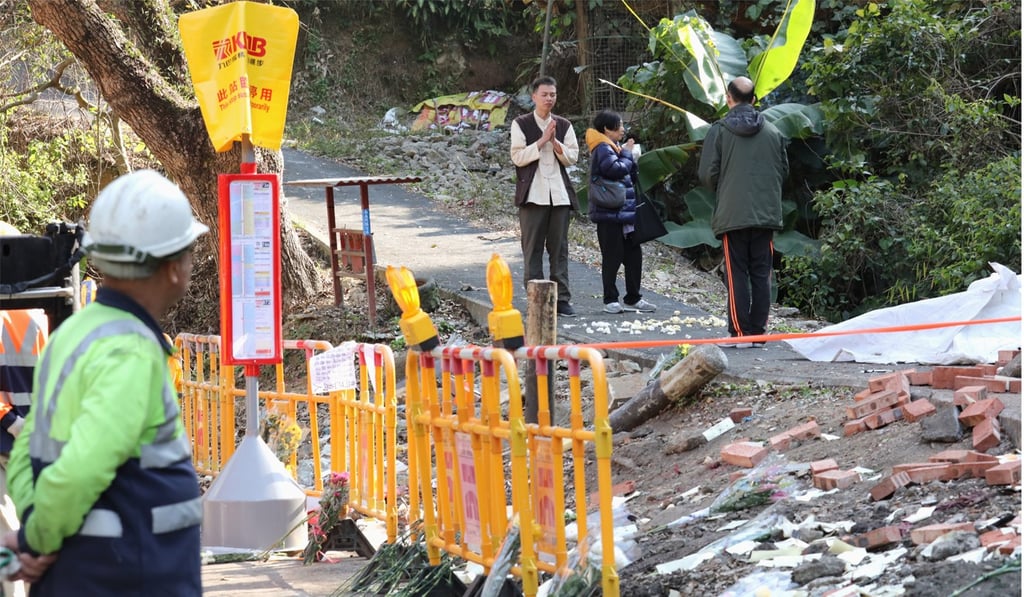
Bus tragedy reveals need for clear guidelines
Criticism of a TVB news team at the scene of the Tai Po crash in which 19 people died underlines why action is required in reporting emergencies

A TVB news team has drawn flak over its coverage of the deadly double-decker bus crash in Tai Po. What has provoked even more criticism has been the station’s public response.
A live feed from Now TV recorded two TVB reporters asking a police officer for more time to shoot their live coverage after he asked them to move from the spot. Though there is no evidence that the reporters had obstructed doctors or the police, there has nevertheless been widespread condemnation of their request for more time.
TVB caused more outrage by defending its news staff. In a statement, it said they were in “a race against time” but had “absolutely adhered to professional standards and ethics, and did not interfere with rescue operations for the sake of reporting”.
Listening to the audio on the Now TV clip, the incident certainly doesn’t put the reporters in a good light. But they didn’t seem to have impeded the work of the rescue crews either. Otherwise, we would have heard by now.
I have worked as a frontline reporter and a news desk editor. I can say such incidents happen all the time in Hong Kong. There are two issues here: journalists need to show self-restraint, but police also need to impose restrictions.