Advertisement
Hong Kong government must stop giving Ocean Park and Disneyland a free ride
Albert Cheng says the 2018 Hong Kong budget has failed to deliver, and it’s time the government reassessed the city’s two loss-making theme parks that do not live up to their promises to the public
3-MIN READ3-MIN

The 2018 budget has made Paul Chan Mo-po the worst financial secretary in the history of Hong Kong. With a surplus of HK$138 billion, the government trumpeted the new budget as a giveaway; however, it has received a record low rating in the latest public opinion survey. People are taking a dig at Chan for his allocation of a huge sum of money – 40 per cent of the surplus – but expending a disproportionate effort on trivial matters. Recent annual budgets have been drifting further and further away from fostering Hong Kong’s economic development.
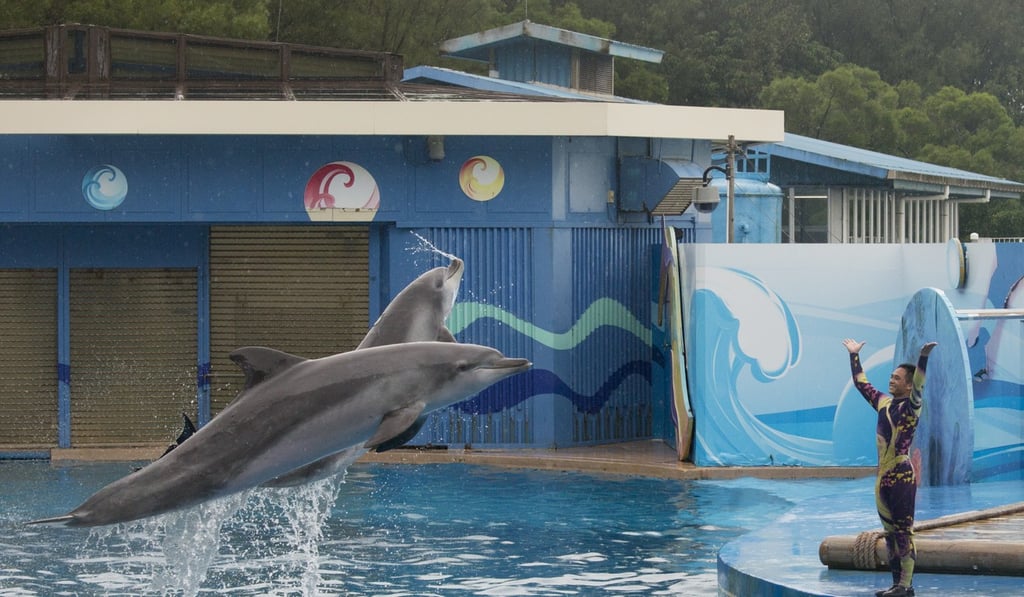
The most controversial “relief measure” is the 10,000 free Ocean Park tickets for students, clearly a cover for bailing out the loss-making park ,which is managed by the bigwigs who supported Carrie Lam in the chief executive election. Although sources claimed the measure was suggested by the Democratic Alliance for the Betterment and Progress of Hong Kong, Chan, who was foolish enough to adopt the suggestion, has only himself to blame. No one is against benefiting students; however, Ocean Park is a statutory non-profit-making public entity. The park’s construction was funded by the Jockey Club with the land provided at zero cost.
When Michael Jackson rode roller coaster at Ocean Park Hong Kong, and took the press for a ride
In the past decade, the non-profit park has turned into a profit-oriented enterprise. Since it raised the entrance fee in July 2009, management has deviated from the initial agreement with the government. A spokesperson has said the theme park would not need any government funding.
Advertisement
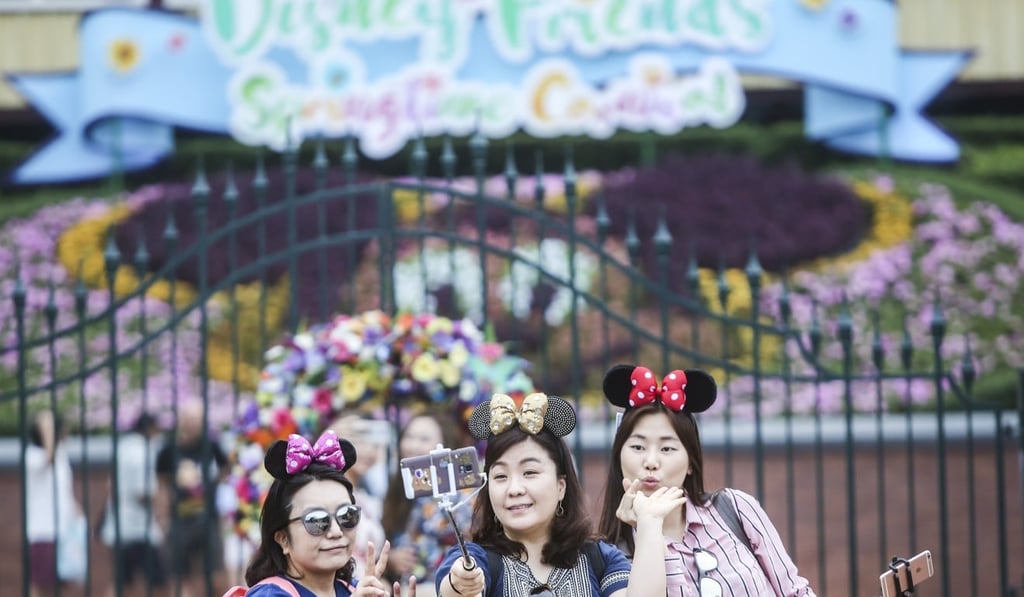
Loss-making Disneyland is worth pinpointing as well. Disneyland has already lost over HK$900 million in the past eight years. Shamelessly, the Walt Disney Company has been charging an annual franchise and management fee – HK$59 million this year.
Advertisement
Regardless of the charges and losses, the ultra-small-scale park has contributed very little to Hong Kong’s tourism. Disneyland in Hong Kong was expected to follow the successful footprints of Los Angeles and Florida. However, it has turned out to be a small and dull theme park which lacks distinctiveness. It fails to stand out and attract visitors, especially after the one in Shanghai opened.
Advertisement
Select Voice
Select Speed
1.00x