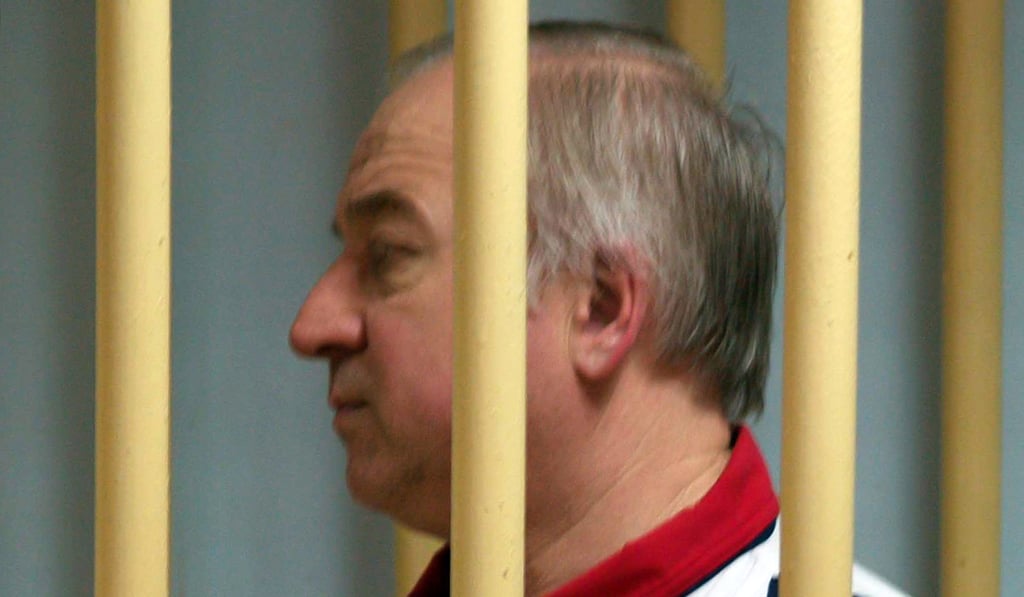
Russia, one way or the other, had a hand in the poison attack on former spy Sergei Skripal and his daughter, the British government has concluded. Prime Minister Theresa May has pronounced that the use of Novichok, Russian-produced and described as the most deadly nerve agent ever made, led to only two conclusions – that either Moscow was behind the attempted killing in Salisbury or that it had lost control of the chemical.
She has given the administration of President Vladimir Putin a deadline of midnight yesterday (UK time) to explain what happened, otherwise she will decide that an “unlawful use of force” has been made against her nation. It is a reasonable position to take; not only has an international ban been ignored, but lives of citizens have been put at risk.
Advertisement
A cloud of mystery surrounds the world of espionage, but there were few doubts in the West that Russia was behind the attack; it has a record of coming up with elaborate and sinister schemes to eliminate those it considers traitors. In 2006, it was determined to have poisoned Alexander Litvinenko, another British informant, with radioactive polonium 210.
Former Russian double agent Sergei Skripal was found unconscious on a bench in the city of Salisbury from suspected poisoning with a nerve agent. Photo: AFP
Skipal was a double agent who betrayed his comrades to British intelligence by revealing their identities for money and was imprisoned by Moscow, although later allowed to live in Britain as part of a prisoner swap deal. Putin has strong views on such matters, though; he said in 2010 that “traitors will kick the bucket, trust me”.
Advertisement
Novichok is banned under international conventions. Just last September, Putin declared that Russia had destroyed all stockpiles of chemical weapons as part of a global treaty, a move that cast him as a peacemaker and defender of international law.