Advertisement
The View
Opinion
Victoria A. Espinel

The View | Cybersecurity threats defy national borders, so countries should collaborate, not clam up

Victoria A. Espinel says the trend among countries in Asia and elsewhere to withdraw from global collaboration on cybersecurity in favour of indigenous standards opens them up to greater risk

Reading Time:4 minutes
Why you can trust SCMP
A source code on a computer at cybersecurity firm TREND Micro in Taipei, Taiwan, which warned of the threat posed to government offices by the ransomware WannaCry in May 2017. Photo: EPA
Governments in Asia confront an increasingly complex array of cybersecurity threats, which have the potential to drain millions of dollars from their economies, disrupt infrastructures critical to essential services and even put lives at risk. The ability of governments to effectively confront these threats depends on smart policies, strong institutions and robust collaboration across the international community.
With VietnamThailand, Indonesia and others in the region currently drafting new cybersecurity laws, this ability is now being put to the test. 

As governments seek to craft cybersecurity policies, there is a growing risk of fragmentation. Encouraging policies that are effective, coherent and internationally aligned demands focused international dialogue and consensus in support of a robust global system. While industry can contribute best practices and advocate for international collaboration, it is up to governments to lead in pressing for regional and global cybersecurity policies that are strong, effective, and internationally operable. 
Advertisement
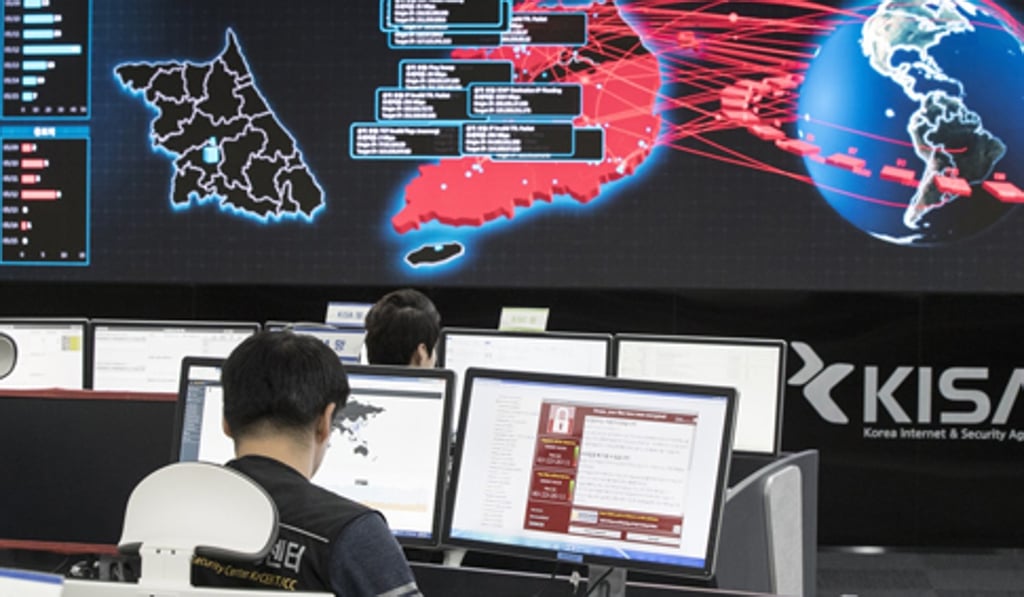
Employees watch electronic boards monitoring possible ransomware cyberattacks at the Korea Internet and Security Agency in Seoul, South Korea, in May 2017. South Korea has long braced itself for cyberattacks from North Korea. Photo: AP
Employees watch electronic boards monitoring possible ransomware cyberattacks at the Korea Internet and Security Agency in Seoul, South Korea, in May 2017. South Korea has long braced itself for cyberattacks from North Korea. Photo: AP 
Advertisement

In recent years, some governments have tended to adopt cybersecurity policies that move them out of alignment with the international community, in some cases in the misguided belief that they can improve cybersecurity by segregating their nations from the broader digital ecosystem. This fragmentation take three forms. 

Advertisement
Select Voice
Choose your listening speed
Get through articles 2x faster
1.25x
250 WPM
Slow
Average
Fast
1.25x