Advertisement
Why a new housing plan for squatters signals a radical change in Hong Kong governance
Bernard Chan says the government’s offer of more generous compensation to try to speed up new town development represents a break with its long-held principles of safeguarding taxpayers’ money, and is a sign officials are ready to move with the times
3-MIN READ3-MIN

The issue of long-term land supply in Hong Kong – as with so many of our basic challenges – seems to come down to a long list of unsolvable problems.
The task force on land supply has identified a wide range of options on paper. Yet just about every single one faces opposition and obstruction from one or more interest groups, let alone any other legal and bureaucratic complications.
So it is encouraging to see the government propose decisive action to cut through one particular land-related controversy – compensation and rehousing for squatters in the New Territories.
Advertisement
If the government’s new approach to squatters overcomes the current opposition, it will help speed up the release of hundreds of hectares of land for new housing. More importantly, officials’ willingness to be flexible – even take some risks – suggests that our bureaucracy can adapt to new thinking in other policy areas.
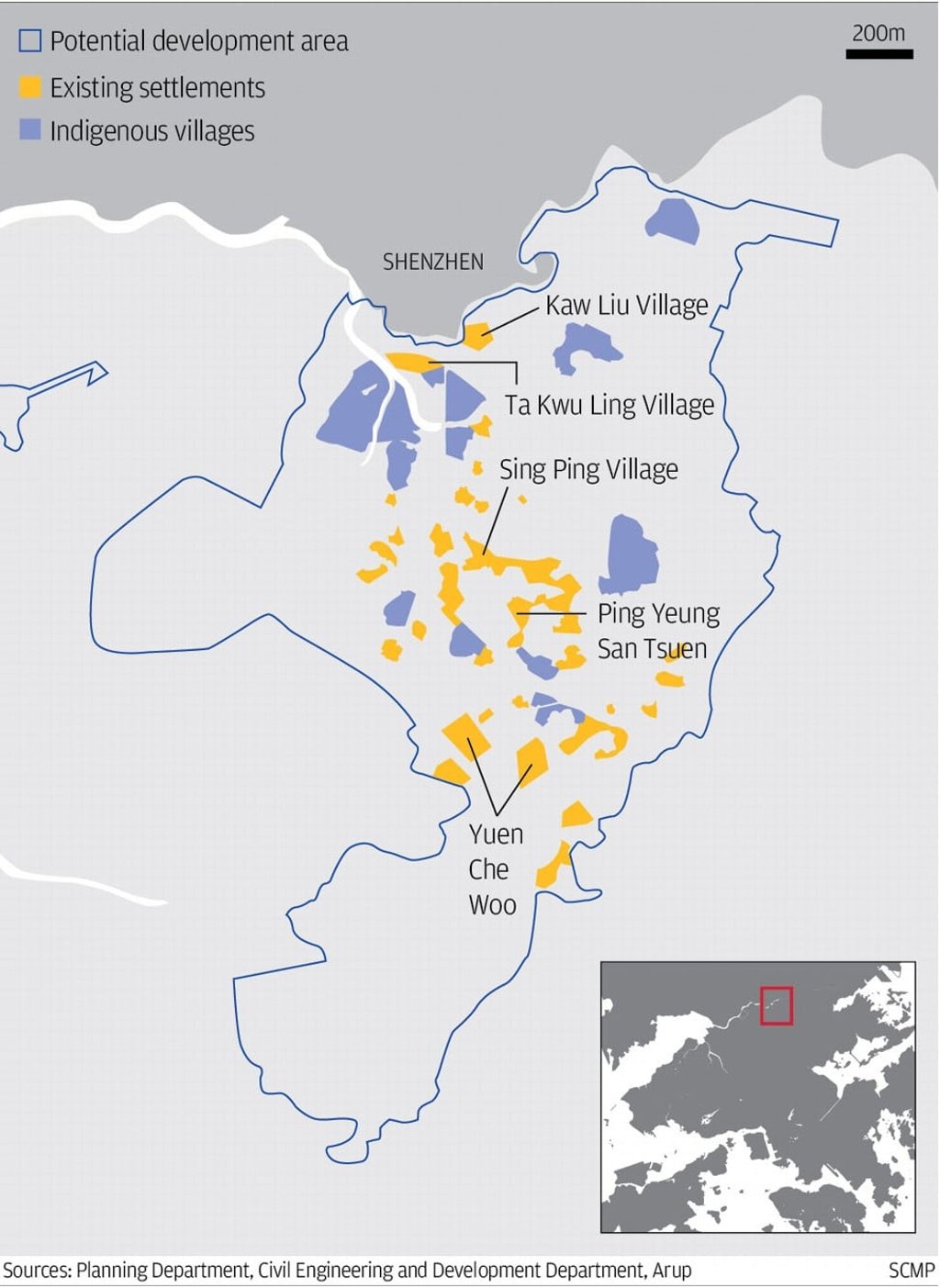
The details of the new offer to squatters in Wang Chau, Kwu Tong North and Fanling North are complex. One key thing is that the roughly 3,000 households concerned (and also some businesses) have no legal ownership rights, but the government has for many years tolerated them.
Advertisement
Advertisement
Select Voice
Select Speed
1.00x