Asia needs friendlier policies on migrants to meet skills shortage
With nationalism and protectionism on the rise in the West, Hong Kong and rival cities in the region are in a position to benefit from talented newcomers

Nationalism and a rising protectionist stance in the West are leaving increasing numbers of migrants feeling frightened and insecure. Elections in Europe giving power to far-right political parties and the anti-migrant stand of US President Donald Trump are making skilled people from China, India and elsewhere uneasy about their new homes.
Foreign student numbers are down and some talented and in-demand workers are rethinking their circumstances. Governments in Asia with ambitions to drive development through science and technology, Hong Kong among them, should be putting on their most welcoming of faces.
Anti-migrant sentiment is being driven by political attitudes towards refugees fleeing poverty and violence in Central America, Africa and the Middle East. Trump, keeping an election pledge, has made ending the flood into the United States from across the Mexican border a priority, but has also taken a hardline position on immigration.
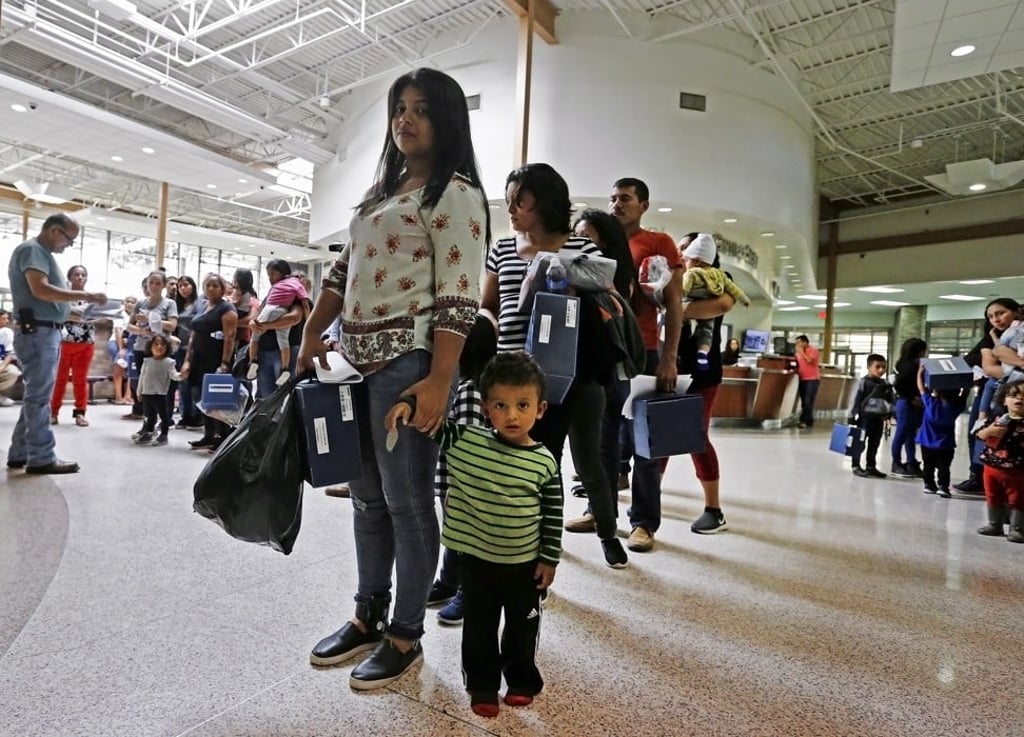
He scored a victory on Tuesday when the Supreme Court upheld his travel ban on those from seven nations, five of them Muslim-majority. The European Union, despite having a policy of the country where an asylum seeker lands being responsible for processing the application, is being forced to rethink its approach after the election of conservative leaders in Italy, Hungary, Poland and Austria; it will be a focus of the EU summit which opens today.