We must prepare for the AI revolution
More than a quarter of Hong Kong’s work force is said to be vulnerable to automation. The government has a role to play in not only minimising the shock waves that will arise but also in making the most of the technology

If the internet was the major change for humanity following the agricultural and industrial revolutions, the application of artificial intelligence is perhaps the next transformation.
Last week’s headline, “Robots could take a million local jobs by 2038”, may sound incredible or even be seen as scaremongering.
But human resources being replaced by artificial intelligence will be an inevitable trend we have to reckon with. It is perhaps time we put more thought into the implications and the corresponding actions needed to help cope with the challenge.
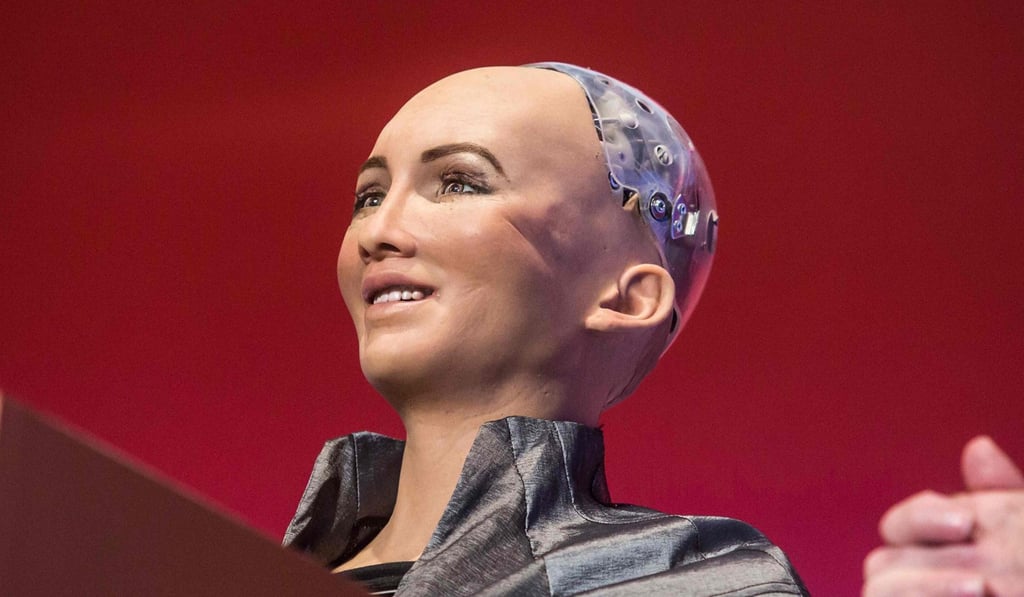
If the study by the One Country, Two Systems Research Institute is any reference, more than a quarter of Hong Kong’s workforce, including secretaries and accountants, is vulnerable to automation.
Jobs that are considered safer include doctors, nurses, teachers, architects and journalists. In light of the threat, the Beijing-friendly think tank called for a comprehensive innovation and technology development strategy.
That technology has made more jobs obsolete is just a reality. Typists, bus conductors and phone operators have become jobs of the past, and will soon be joined by factory and warehouse workers, bank tellers and cashiers.