This year is shaping up to be one of the hottest ever, with new temperature records in many countries and extreme weather events on the rise. Hong Kong is no exception. With a record-breaking heatwave in May suggesting that the number of extremely hot days is increasing by the year, public concern about water security in the city and the impact of climate change has been intensifying. Up to August 13, Hong Kong had recorded some 1,100mm of rainfall this year, 544.5mm or more than 30 per cent less than the normal average recorded for the period.
It is therefore high time to examine the city’s water management policy and make water conservation a priority. This is a topic that Civic Exchange and ADM Capital Foundation first raised in a report, The Illusion of Plenty, published in May last year.
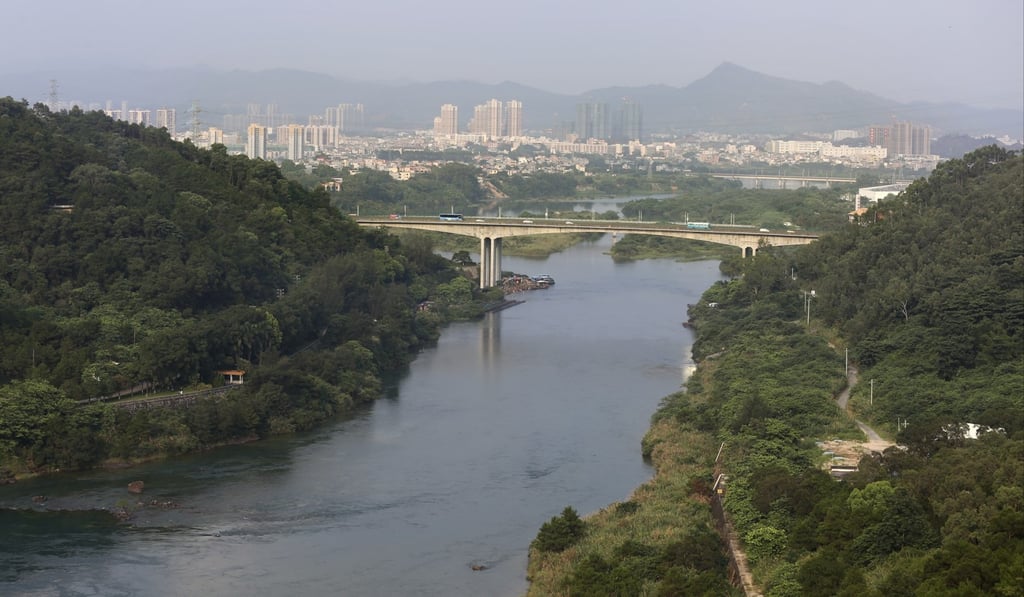
Hong Kong receives 80 per cent of its freshwater from the Dongjiang, or East River, which is also a lifeline to other Pearl River Delta cities such as Guangzhou and Shenzhen. After decades of industrialisation and urbanisation in the Pearl River Delta, the Dongjiang now serves more than 40 million people, including 7.4 million in Hong Kong, putting a strain on the river as the main water supply for the whole region.
Advertisement
Hong Kong may enjoy abundant access to water today, but local freshwater resources are limited. In fact, much attention has been focused on the fact that Hong Kong paid HK$4.2 billion (US$535 million) to Guangdong for water in 2015, almost doubling the cost in 2001.
Over the next three years, Hong Kong is expected to pay more than HK$14.4 billion to Guangdong under the new “DongShen Agreement”, which stipulates that the unit price of Dongjiang water will rise by 0.3 per cent a year, according to documents submitted by the Development Bureau to the legislature.
Advertisement
A view of the Xinfengjiang dam in Heyuan city, Guangdong province. Heyuan is located at the upper middle stream of the Dongjiang, or East River, which is the source of 80 per cent of Hong Kong’s freshwater. Photo: Dickson Lee