Hong Kong’s bubble has protected it from the disruptions of the digital revolution, but this won’t last forever
- Due to unique features of its economy and politics, Hong Kong has missed the tech upheaval rearranging the outside world. This won’t last, and our young people need to learn new life and business skills to thrive

In Hong Kong, we live in a bubble. Not a bubble that can be popped, but the kind that a patient lives in if they don’t want to catch an infection.
Not that Hong Kong is necessarily more sick than anywhere else – indeed, far from it, for our bubble is protecting us from a lot of economic hardship. It doesn’t take too long when travelling in Europe or the US to experience culture shock at how the world has changed.
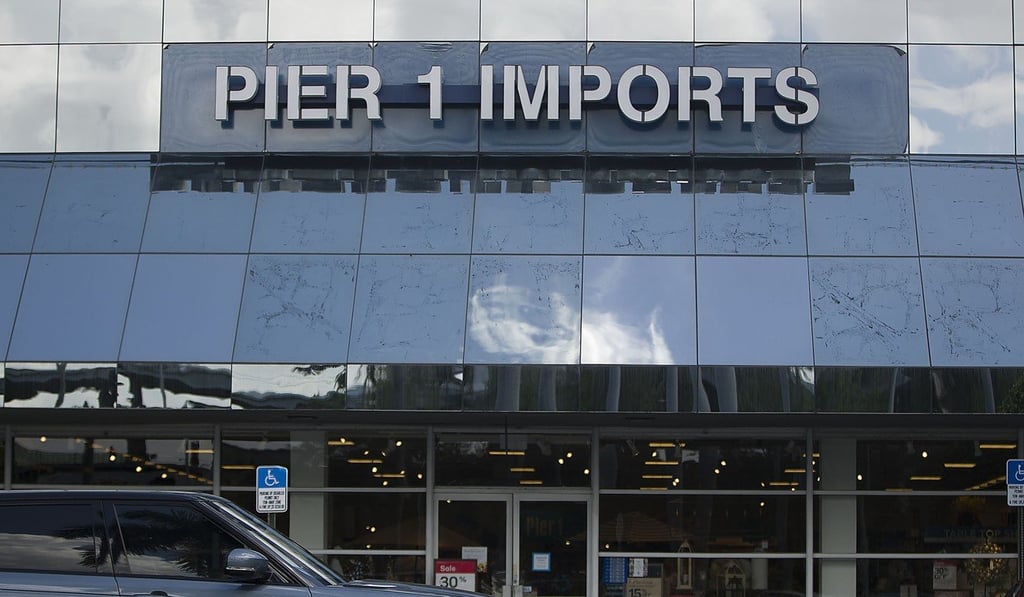
Whole streets look tatty and disinterested, with every second outlet boarded up. Malls that were previously as busy as Elements or Festival Walk are deserted, with stalls hawking cheap goods outside closed shops. The remaining retailers survive by being charity shops, fast food or discounters. There is an overwhelming sense of being hard up – no one has much extra money.
The famous UK department store Debenhams has just closed half its stores. The notable decline of the department store has provided big commercial property voids across the country, with 235 former department stores now empty; up from 82 in 2014. The large spaces are surprisingly hard to fill, especially if they are outside core locations. Some have been turned into charity centres, such as a community hub for the elderly. Others have been made into galleries, exhibition halls, low budget bargain stores, crazy golf or enterprise hubs for start-up businesses.
None of this is particularly commercial although, in the right locations, they provide cheap real estate for gyms, offices, hotels, restaurants and housing. Some grand buildings have been turned into dull warehouses for dispatching goods. Shoppers are leaving physical shops in droves.