Advertisement

Opinion | China and the US have been suspicious of each other for over 100 years. It doesn’t still have to be this way
- In the US, the Chinese Exclusion Act and the rise of McCarthyism contributed to a policy bias against China in the 1950s and 1960s. Today, hawkish views proliferate and there is a serious lack of Chinese-Americans in diplomacy with China
Reading Time:4 minutes
Why you can trust SCMP

Sino-American relations have been complicated by mutual misunderstanding, incompatible perceptions of national prestige and conflicting ideologies. While these continue to hamper the current negotiations between the US and China, what lies at the root of the two countries’ failure to see eye to eye is mistrust.
The US and China have been suspicious of each other’s intentions for well over 100 years. In the earliest era of Sino-American relations, when Chinese engagement with the Western world was essentially limited to the market at Canton, the Chinese and Americans had very little interaction.
The first agreement the US signed with China, the Treaty of Wanghia, was just one of what would become a series of unequal treaties forced upon China in the aftermath of the opium wars. The signing of the treaties began what the Chinese now recall as the “century of humiliation”. Lingering suspicions that Western countries saw themselves as superior and sought means to exploit the Chinese have haunted relations with America ever since.
Advertisement
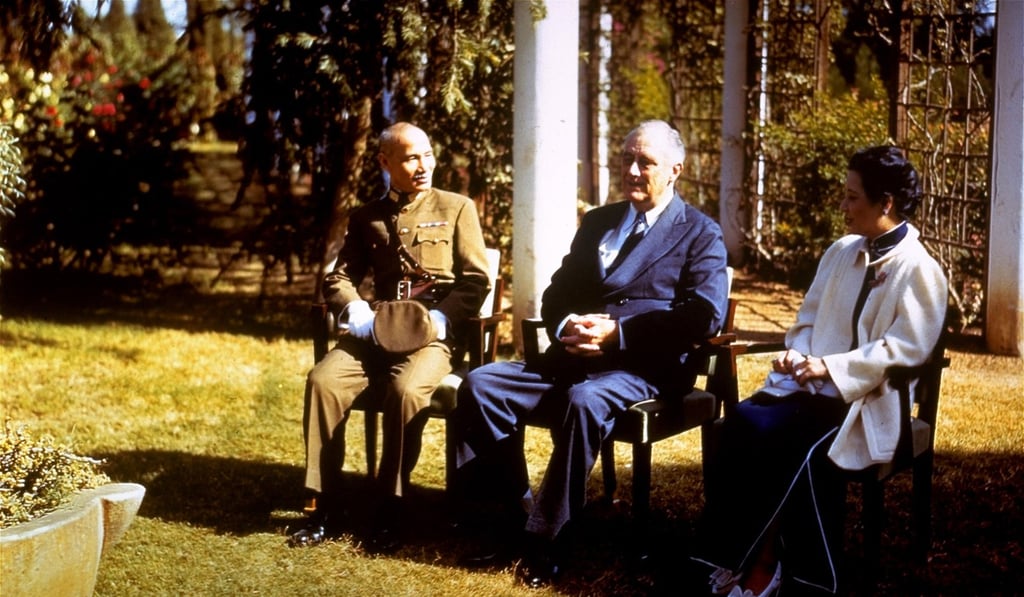
The two world wars did not offset such suspicions, and instead exacerbated them. Following the first world war, the Treaty of Versailles gave former German holdings in China to Japan, a decision the Chinese did not consent to. At Yalta during the second world war, president Franklin D. Roosevelt agreed to recognise Soviet interests in Manchuria and Mongolia without consulting the Chinese. This contributed to generalissimo Chiang Kai-shek’s long-standing paranoia about the US’ commitment to his cause in the post-war period and as the civil war with the communists resumed.
I can remember being taught, as a student in Beijing in the 1930s and 1940s, not to trust the US. After moving to the US in 1949 and working for the State Department and Library of Congress, I came to see first-hand how the mistrust ran both ways. In the US, the mistrust could be attributed to racial bias, intelligence shortcomings and political interference in foreign affairs.
Advertisement
Advertisement
Select Voice
Choose your listening speed
Get through articles 2x faster
1.25x
250 WPM
Slow
Average
Fast
1.25x