Voluntary health insurance scheme will only worsen staff shortage in the public sector
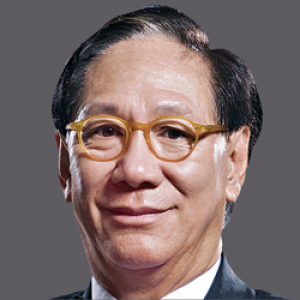
Albert Cheng says under the proposed plan, middle-class patients won't be the only ones going to the private sector; so will their doctors and nurses

I am a diehard socialist when it comes to medical financing. Social welfare in Hong Kong is minimal and limited. Health care is one of the few public services that can really benefit the working and middle classes. There is simply no room for concessions.
The authorities have spent over 20 years researching and refining ideas for financing our public medical system. Numerous half-baked options have been tabled and withdrawn. The latest voluntary health insurance scheme was unveiled on Monday. A three-month public consultation will be held before the proposal is presented to the legislature for endorsement. It could be implemented as early as 2016.
The average annual premium of a standard plan under the scheme is about HK$3,600, calculated at 2012 prices. That is 9 per cent higher than the average premium of individual hospital insurance products now on the market.
The government plans to provide HK$256 million a year in tax rebates, and HK$4.3 billion in subsidies for high-risk patients over a 25-year period. The scheme is meant to save HK$2.8 billion a year in public health spending.
The saving might seem massive at first sight. It should, however, be seen in context. The authorities are poised, for example, to spend as much as HK$200 billion on a third runway at Chek Lap Kok, which many experts predict will be a white elephant. Key public infrastructure projects now under way are estimated to have a combined budget overrun of over HK$150 billion.
Meanwhile, only an insignificant increase of HK$30 billion is earmarked for the public medical system over the next 10 years. The anticipated spending on the insurance scheme could be put to much better use if it were handed out, say, as allowances for the elderly.