Hong Kong’s future lies beyond the Greater Bay Area, though it’s not what the government would have us believe
Philip Bowring says instead of hanging onto the coattails of tech leader Shenzhen, Hong Kong needs a clear-eyed look at its competitive advantages and should set about removing the obstacles that impede their development

But first, think about the past and present purpose of Hong Kong, a centre of international commerce, a location on the southeast coast of China and midway between Japan and Korea and Southeast Asia, born of freedoms of trade, currency and, to a degree, nationality. Then, it was the port business, merchandise trade plus banking and related services.
Today, it is much the same except that the seaport is less important and the variety of new service industries has expanded dramatically.
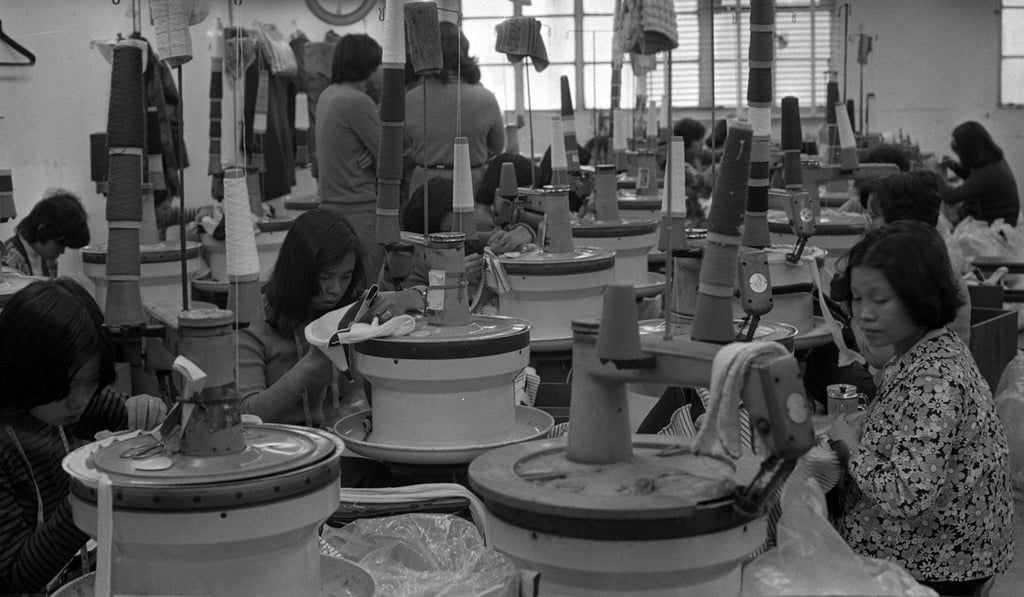
The notion that the manufacturing industry has a major part to play is typical of how little some who grew up in the 1960s and 1970s have learned since. The era of manufacturing was a brief interlude caused by the interaction of Shanghai industrial capital flight, cheap labour provided by refugees, and preferred access to some Western markets for textiles, garments, toys and light electronics.