Advertisement

Opinion
‘Chinese kitchens are dirty and MSG is bad for you’: how racism persists in the West, despite evidence to the contrary
- Peter Kammerer says widespread concern about MSG – despite all evidence – is rooted in distrust of Chinese and shows how easy it is for mistaken ideas to take hold. Racism, like inhibitions about food, is something that has to be unlearned
3-MIN READ3-MIN

Australian-born Peter Kammerer has lived and worked in Hong Kong for more than 30 years, joining the Post in 1988.
Racism can be so deep-seated that it can affect what we eat. I had no idea that my almost lifelong belief that MSG, the popular name for the flavouring additive monosodium glutamate, was bad for health, was the result of anti-Chinese bias. Stay away from Chinese restaurants unless they have a sign in the window saying, “We don’t use MSG”, became the mantra and I stuck religiously to it.
Only recently did I learn that there is no evidence proving the claim and that the chemical abounds in a lot of food as a taste-enhancer.
Japanese scientist Kikinae Ikeda created MSG in 1908 as a result of searching for what made the country’s kitchen staple, seaweed, so flavourful. He isolated glutamate, found naturally in a wide variety of food including potatoes, tomatoes, mushrooms, peas and grapes, and mixed it with water and table salt to stabilise it, creating an ingredient he described the taste of as umami, Japanese for “savoury”.
Advertisement
Others in the country, in China, and elsewhere in Asia and the world, also thought so and the company he set up to produce and market MSG remains the global leader. The white crystals are used in a wide variety of packaged and processed products including crisps, frozen meals, sauces and gravies – yet, no one complains of ill-effects to their health when they consume them.
For those Chinese food claims about MSG, blame Dr Robert Ho Man Kwok, a Chinese immigrant to the United States. In a letter he wrote to the respected New England Journal of Medicine in 1968, he complained of “a numbness at the back of the neck, gradually radiating to both arms and the back, and general weakness and palpitation” after eating at “certain Chinese food restaurants”.
Advertisement
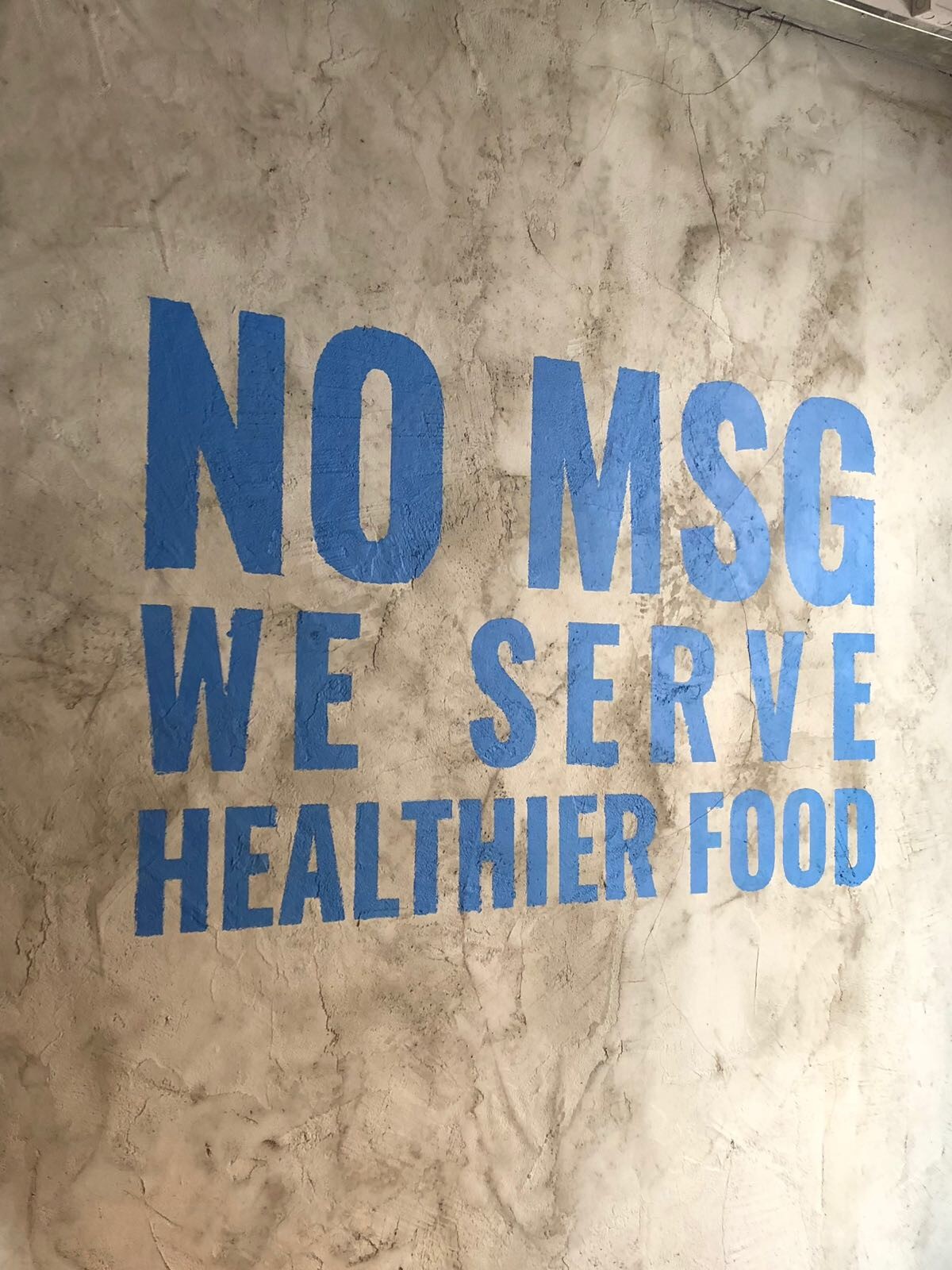
He speculated that MSG may have been to blame and his letter, published under the headline “Chinese restaurant syndrome”, quickly attracted an avalanche of similar correspondence that sparked studies concluding that they were right.
Advertisement
Select Voice
Select Speed
1.00x