Advertisement

OpinionWe’re living in a Hong Kong shaped by a landmark 1999 ruling
- Cliff Buddle says the Court of Final Appeal has been accused of first going too far in asserting its independence and then surrendering too much ground. The 1999 incident also opened the door to Beijing’s interpretations of the Basic Law
5-MIN READ5-MIN

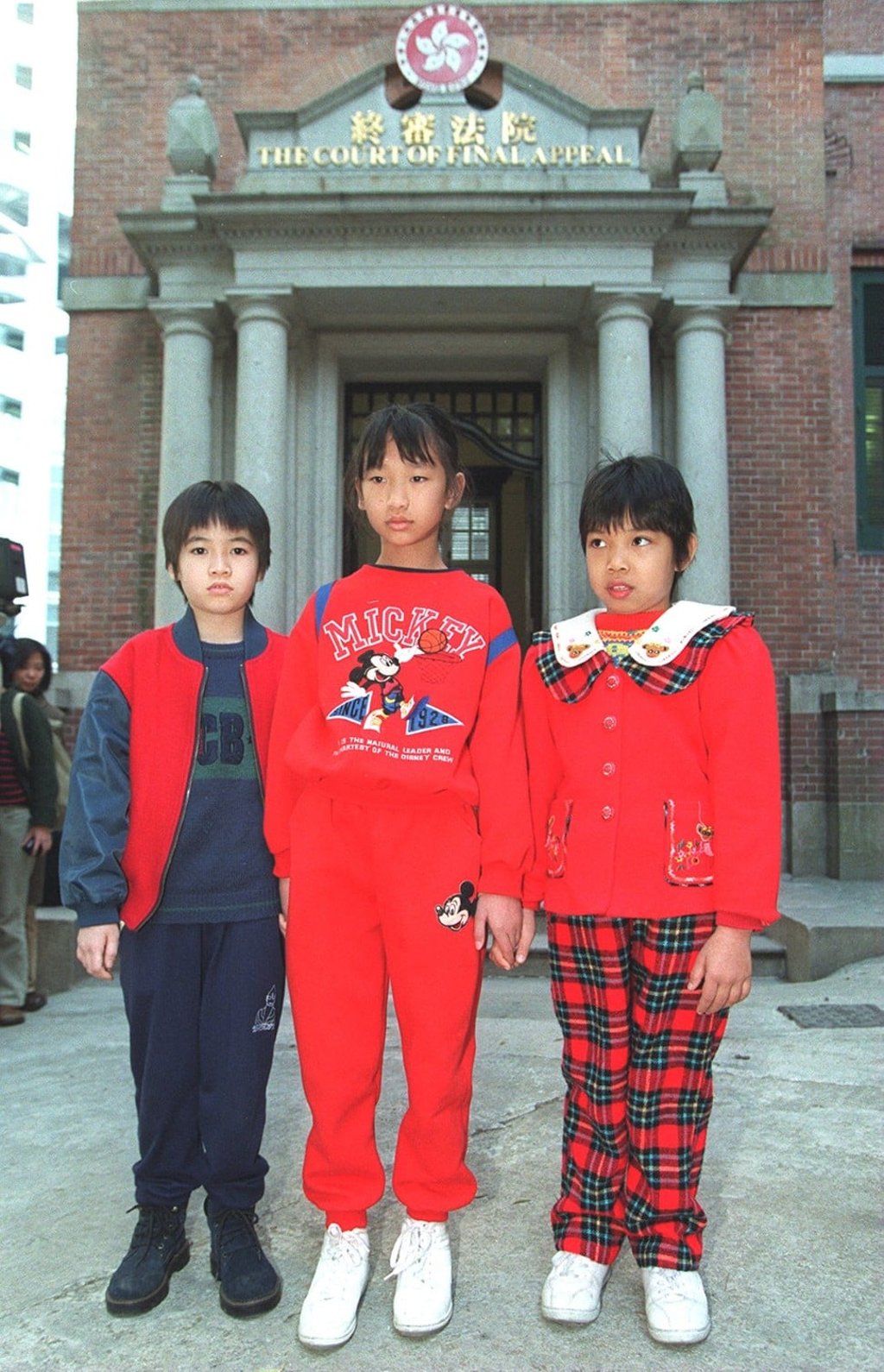
Twenty years ago today, Hong Kong’s top court delivered its first judgment on new constitutional arrangements put in place when the city returned to China. The ruling, which gave hope to thousands of children born in mainland China claiming the right to live in Hong Kong, marked a defining moment in the city’s history. It has been described as Hong Kong’s Marbury vs Madison moment, a reference to the seminal decision of 1803 when the United States’ Supreme Court established its role as the final interpreter of the constitution.
But the Hong Kong court’s brave – some would say foolhardy – attempt to do something similar was short-lived. It was a catalyst for dramatic and unexpected consequences which are still being felt in the city today.
The court ruled in favour of the abode seekers, sparking fears of a mass influx of migrants from mainland China. But it went further, stating “unequivocally” it had the power to strike out acts of the National People’s Congress, China’s highest organ of state power, if they conflicted with Hong Kong’s new de facto constitution, the Basic Law.
Advertisement
This was too much for the central government, which saw the court’s finding as a challenge to its authority. A constitutional crisis was only averted when the court delivered an unprecedented clarification of its judgment at the request of the Hong Kong government.
Advertisement
But it was not enough to save the ruling. Hong Kong officials, citing fears that the city would be swamped with immigrants, asked Beijing to effectively overturn the judgment. The National People's Congress Standing Committee did so, in June that year, by issuing its first interpretation of the Basic Law. This was unexpected, as many had thought at the time such interpretations could only be delivered at the request of the court. Few had imagined the first constitutional ruling by Hong Kong’s top court would be overturned by a political body in Beijing.
Advertisement
Select Voice
Select Speed
1.00x