From hope to despair: how Carrie Lam’s governance is putting ‘one country, two systems’ at risk
- If plummeting public confidence in the government translates into an electoral defeat for the pro-establishment camp, it may set alarm bells ringing for Beijing, putting at risk the city’s high degree of autonomy

So bad, in fact, that some of the most significant indicators are worse than they were in 2003. And, given that 2003 was Hong Kong’s first political watershed since its establishment as a special administrative region, it is something that Carrie Lam Cheng Yuet-ngor really should be losing sleep over. Hongkongers’ trust in their government dropped 19 percentage points from just two months ago, to reach a new low of minus 12 points. Our confidence in the city’s future is at its lowest level in history.
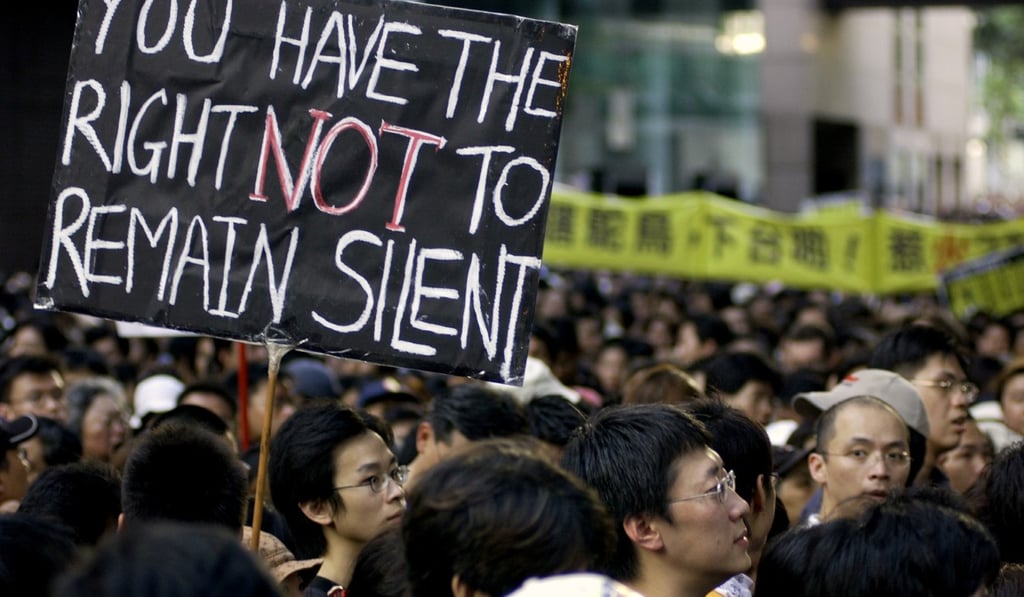
The Tung Chee-hwa administration tried to do so while Hong Kong was both embattled in and mourning the effects of severe acute respiratory syndrome (Sars). At the height of shared public anguish and hopelessness, those efforts to force legislation through ended in absolute failure, and spectacularly so, getting half a million of what others have long called “politically apathetic” everyday Hongkongers onto the streets. The fallout changed the course of Hong Kong politics.
At the end of the day, the Tung administration’s failure to feel, interpret and react to the public pulse was its undoing. Sars was bad luck. The property market crash was unfortunate. By the time we consider how it mishandled the public health crisis, its refusal to appease public feelings and its insistence on moving forward with the national security bill, regardless of public angst and distrust, we should pause and consider how dangerously close Lam is steering her ship towards a similar political storm.