Advertisement
Brexit, Donald Trump and the trade war with China – excessive rules and regulations are how things fall apart
- Andrew Sheng says the phenomenon of excessive bureaucratisation, or ‘tight coupling’, has led to failures, a loss of freedom and greater resentment
- This has been channelled into a desire to discard the old order, as characterised by the European Union, Trump’s political opponents and international trade
4-MIN READ4-MIN

This year, 2018, is the 100th anniversary of the end of the first world war. In 1919, W.B.Yeats wrote his famous poem, The Second Coming, which features the lines: “Things fall apart; the centre cannot hold; Mere anarchy is loosed upon the world”.
These words echo the present state of shambolic chaos, as the US-China trade war seems to be escalating towards confrontation on multiple levels. The high tide of financial markets is now in retreat and murder in a diplomatic consulate in Istanbul unfolds at internet speed. Everywhere, the centre in politics cannot hold and polarisation increases by the day.
Yeats was shell-shocked by the Great War, whereas we seem poised at the exit of an era of prosperity marked by social inequality. The US Federal Reserve has unveiled that household debt has increased to US$13.29 trillion as of mid-2018.
Advertisement
At the same time, wealth disparity has widened, with data showing the top 0.1 per cent of households in the United States own as much as the share of national wealth of the bottom 90 per cent. This trend was global, fuelling the populist uprising. In the words of former UK chancellor George Osborne, “The elites have failed you, the establishment has failed you, we need to completely tear up all the country’s political and economic arrangements and start again.”
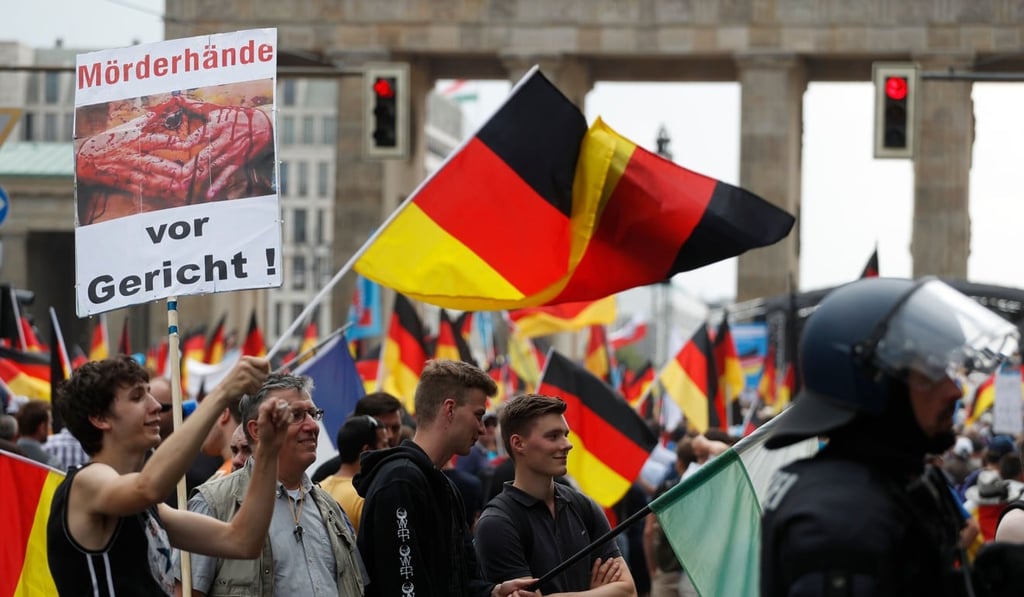
The consensus that formed the moderate middle in the past three decades has been polarised into a right wing that wants more protectionism and a left wing that argues for more welfare spending to improve inclusivity. The populist desire for change has brought new “strongmen” leaders who disturb the status quo.
Advertisement
Advertisement
Select Voice
Select Speed
1.00x