The supreme American hypocrisy of waging war on Huawei – while letting sanctions-busting Americans off
Jeffrey D. Sachs says the US is not wrong to hold executives accountable for companies’ malfeasance, but it should begin at home. Starting with a Chinese CFO is not just a provocation to China, but also a threat to the global rule of law
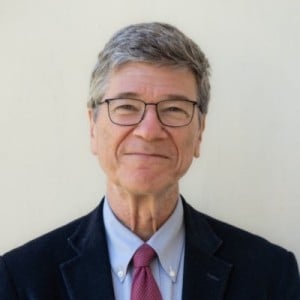
Jeffrey D. Sachs is is a world-renowned economics professor, bestselling author, innovative educator and global leader in sustainable development.
The arrest of Huawei chief financial officer Sabrina Meng Wanzhou is a dangerous move by the Donald Trump administration in its intensifying conflict with China. History, as the saying attributed to Mark Twain goes, doesn’t repeat itself but it often rhymes. If so, our era increasingly echoes the period preceding 1914. As with Europe’s great powers back then, the United States, led by an administration intent on asserting American dominance over China, is pushing the world towards disaster.
The context of the arrest matters enormously. The US requested that Canada arrest Meng in the Vancouver airport en route to Mexico from Hong Kong, and then extradite her to the US. Such a move is almost a declaration of war on China’s business community. Nearly unprecedented, it puts American businesspeople travelling abroad at much greater risk of such actions by other countries.
America rarely arrests senior businesspeople, American or foreign, for alleged crimes committed by their companies. Corporate managers are usually arrested for their alleged personal misconduct (such as embezzlement, bribery or violence) rather than their company’s alleged malfeasance. Yes, corporate managers should be held to account for their company’s malfeasance, up to and including criminal charges; but to start with a leading Chinese businessperson, rather than dozens of culpable American CEOs and CFOs, is a stunning provocation to the Chinese government, business community and public.
Meng is charged with violating US sanctions on Iran. Yet consider her arrest in the context of the large number of companies, US and non-US, that have violated US sanctions against Iran and other countries. In 2011, for example, JPMorgan Chase paid US$88.3 million in fines for violating US sanctions against Cuba, Iran and Sudan. Yet Jamie Dimon wasn’t grabbed off a plane and whisked into custody.
Advertisement
And JPMorgan Chase was hardly alone in violating US sanctions. Since 2010, the following major financial institutions have paid fines for violating US sanctions: Banco do Brasil, Bank of America, Bank of Guam, Bank of Moscow, Bank of Tokyo-Mitsubishi, Barclays, BNP Paribas, Clearstream Banking, Commerzbank, Compass, Crédit Agricole, Deutsche Bank, HSBC, ING, Intesa Sanpaolo, National Bank of Abu Dhabi, National Bank of Pakistan, PayPal, Royal Bank of Scotland, Société Générale, Toronto-Dominion Bank, Trans Pacific National Bank (now known as Beacon Business Bank), Standard Chartered and Wells Fargo.
Advertisement
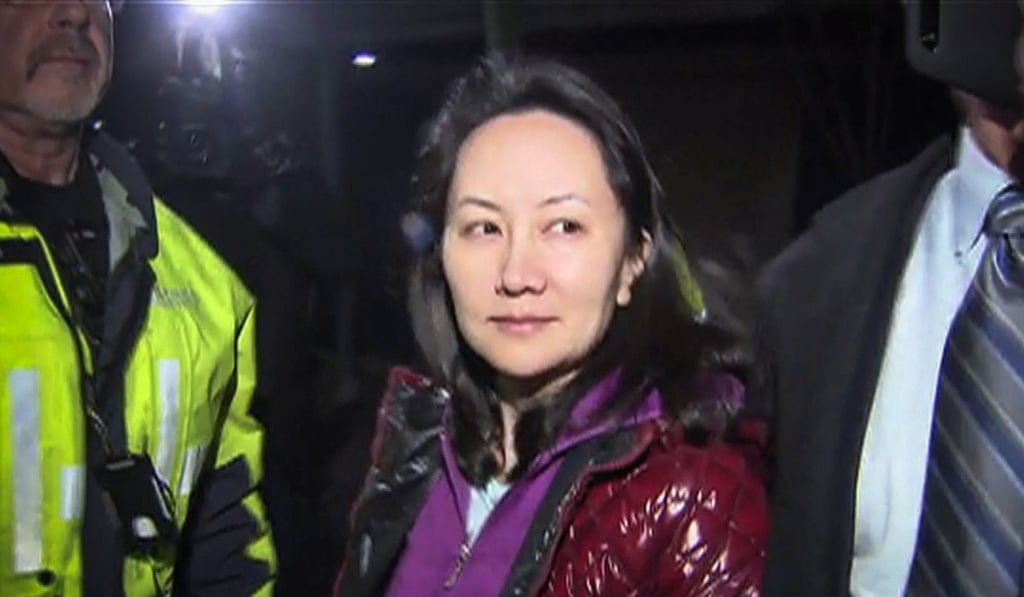
Huawei CFO Sabrina Meng Wanzhou leaves court following her bail hearing in Vancouver on December 11. She has been released on bail of C$10 million (US$7.5 million). Photo: AFP
None of the CEOs or CFOs of these sanction-busting banks was arrested and taken into custody for these violations. In all of these cases, the corporation – rather than an individual manager – was held accountable. Nor were the CEOs and CFOs held accountable for the pervasive lawbreaking in the lead-up to or aftermath of the 2008 financial crisis, for which the banks paid a staggering US$243 billion in fines, according to a recent tally. In the light of this record, Meng’s arrest is a shocking break with practice. Yes, hold CEOs and CFOs accountable, but start at home in order to avoid hypocrisy, self-interest disguised as high principle, and the risk of inciting a new global conflict.