Advertisement
US-China trade war
Opinion
Stephen R. Nagy
Bryan Mercurio
Stephen R. NagyandBryan Mercurio

A US-China trade deal will come. It just won’t solve any of the problems that matter

  • An agreement is needed to mitigate current tensions, but the terms will neither tackle the imbalances in bilateral trade, nor address the geopolitical and strategic concerns that underlie the conflict
Reading Time:3 minutes
Why you can trust SCMP
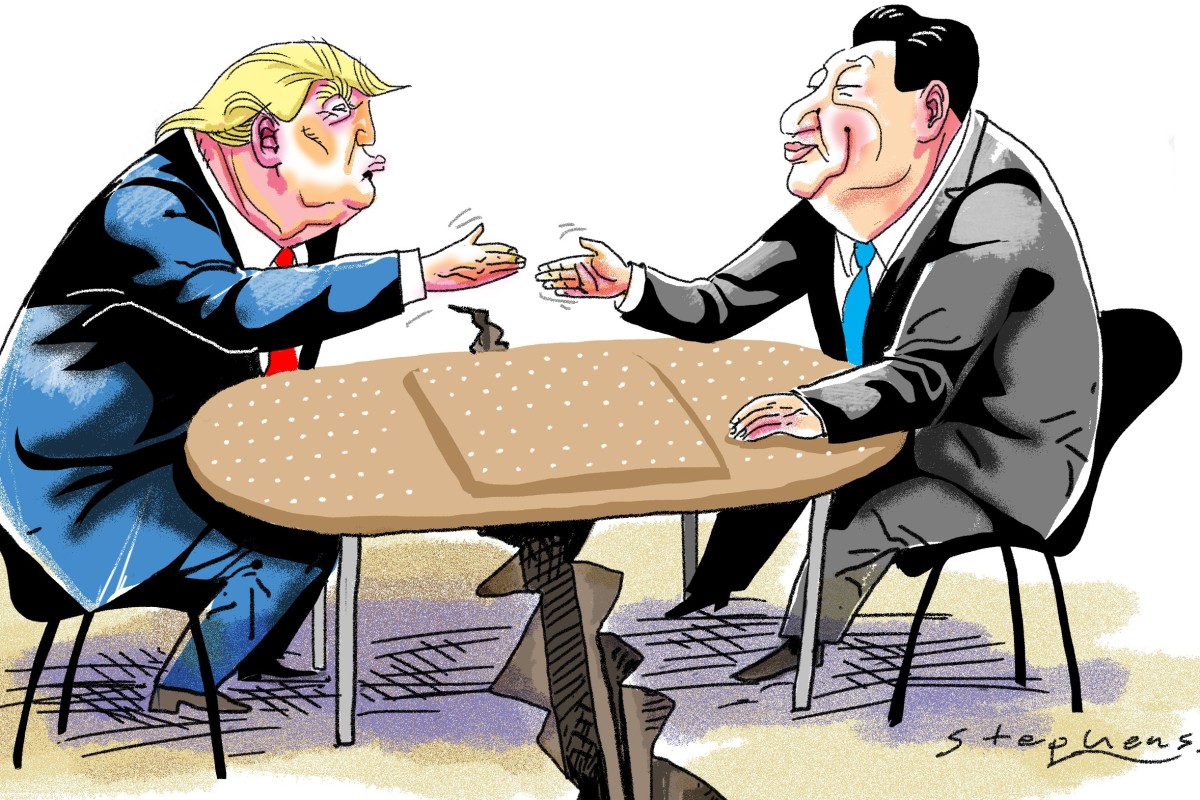
Illustration: Craig Stephens

China and the US are likely to reach an agreement to end their trade war soon. Both sides will characterise the deal as a suitable compromise to mitigate the current trade friction between the countries.

Beijing cannot and does not want to deal with the structural imbalances in the trading relationship, but it will placate President Donald Trump by offering sweeteners in exchange for him dropping threats to impose more tariffs on Chinese imports into the US. China will offer to reduce tariffs on automobile, ethanol and other US products, guarantee purchases of at least US$18 billion of American liquefied natural gas and increase imports of a wide range of American products, such as dried distillers grains, to feed cattle, polysilicon, soybeans and other agricultural products.

However, the deal will not be transformative and instead will resemble a Band-Aid attempting to cover a gaping wound. There are many reasons the deal will fail to resolve the trade tensions.

Advertisement

First, the trade deficit between China and the US is structural in nature. China’s labour cost advantage, its central role as the global production network, and the role of the US dollar as the most reliable international currency, have facilitated the financing of American consumption of imported goods from China and elsewhere. America is addicted to cheap imported goods, and most of them come from China.

Advertisement
Moreover, China’s export-oriented economy cannot easily be replaced, and Beijing has no interest in changing its model. The economy is slowing. Labour and resource overcapacity are becoming problematic inside China. Beijing must ensure the stability of its exports in order to keep millions of workers employed.
Advertisement
Select Voice
Choose your listening speed
Get through articles 2x faster
1.25x
250 WPM
Slow
Average
Fast
1.25x