
How trouble in Europe might trigger a global debt crisis
Richard Harris says the EU has more to lose than the UK in the Brexit battle, for Britain’s departure might mean the beginning of the end of European federalism. And if the euro splinters and weakens against the US dollar, it may hurt those countries with dollar debt

Travelling around Europe makes one fully appreciate the European Union project. The four freedoms allow access through borders across the continent for goods, services, money and people. You can use your smartphone everywhere for no extra charge, consumer rights are uniform, and it is a blessing to spend one set of banknotes in most countries.
These laudable aims have been brought into reality by the EU, but dangers lurk. The federalists who run the European Commission on a day-to-day basis demand that one size should fit all. However, the individual countries sometimes require different sizes in varying areas of policy. The democratic Council of Ministers spends much of its time fighting domestic political battles at a continental level, so the commission can easily outmanoeuvre them.
I recall talking to a former Andorran finance minister about negotiating with the EU over the Financial Action Task Force’s rules on money laundering. The Europeans put him in a room and said, “Just make this easy for all of us; stay here until you sign our document.” It was less of a negotiation and more of a command from an appointed functionary to an elected representative.
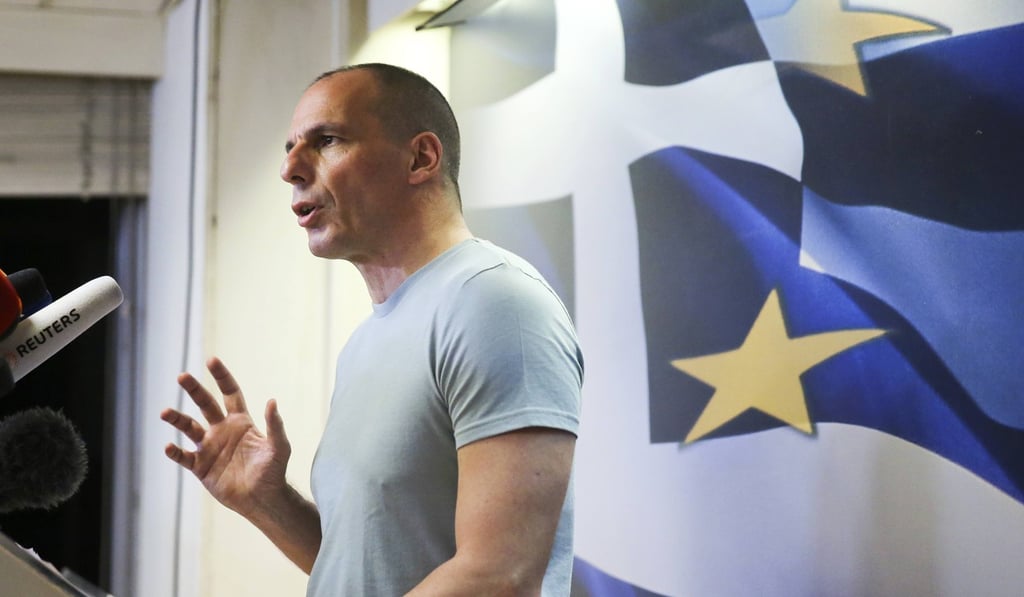
In Greece’s case, the EU caved in to political pressure from Germany – Chancellor Angela Merkel, and her then finance minister, Wolfgang Schäuble. Eventually, various players, including the International Monetary Fund and the European Central Bank, cowed the Greek government into submission – into signing a loan deal it could never pay back.
The EU bully tactics worked for nearly two years on Britain, too, as British negotiators failed to recognise Europe’s well-flagged tactics. Arrogant European civil service mandarins will not compromise on the indivisibility of the four freedoms and insist on preserving the status quo, including their fat pay packets. But unlike Greece, Britain can afford to just leave.