
How the extradition bill crisis threatens Hong Kong’s currency peg to the US dollar
- The extradition bill risks undermining Hong Kong special status in the eyes of the international community. Any change could lead to a flight of capital, which would in turn threaten the city’s currency

Imagine a frightening scenario where Hong Kong suffers from massive capital outflows. The stock market plummets, property prices tumble and confidence evaporates. To protect themselves, residents instinctively convert their Hong Kong dollar savings into safer currencies such as US dollars and euros.
In an effort to stem the outflow of money and maintain the US dollar peg, the Hong Kong Monetary Authority is forced to propel borrowing rates to astronomic levels. This policy response has the undesired effect of amplifying the strain on local businesses and consumers and pushing the economy into a depression.
Many of us may have forgotten, but this series of events actually transpired two decades ago during the Asian financial crisis. The prelude to the market turmoil was mounting economic vulnerabilities across various Asian countries that had binged on investments and consumption, largely financed by offshore borrowing in foreign currencies.
The unintended consequence of these countries’ fixed or semi-fixed exchange rate regimes was that their currencies were allowed to become severely overvalued, thereby diminishing the attractiveness of their economies and creating the perception of heightened investment risk among international capital providers.
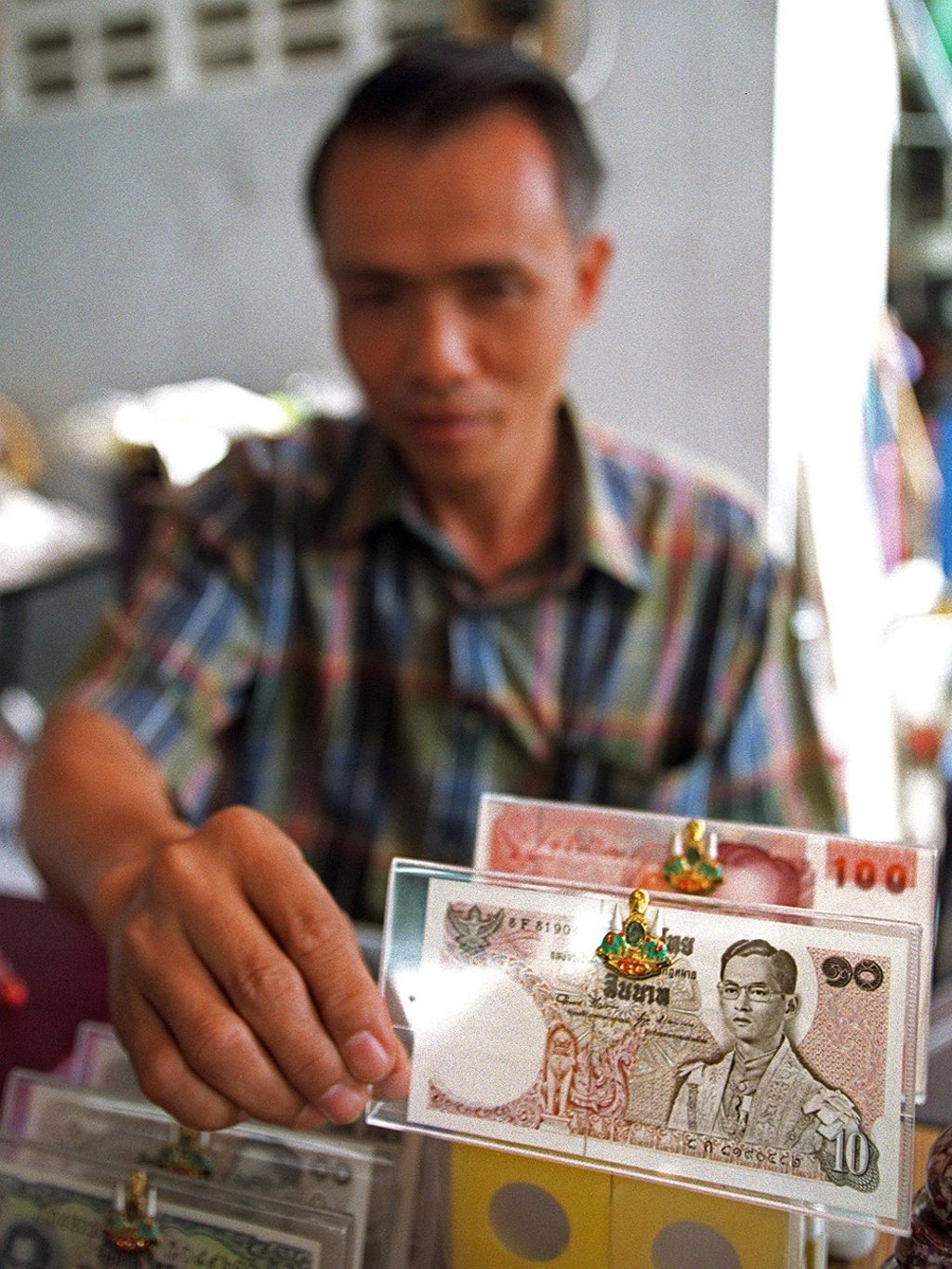
When Thai officials were forced to untether the baht from the US dollar in July 1997, it precipitated the currency’s collapse, from 25 to 55 baht to the dollar, and unleashed a wave of capital flight into low-risk assets, such as US treasuries. Investor panic spread across Asian markets and eventually to Hong Kong, despite its status as a developed economy with abundant foreign reserves.