Sugar tax and other punitive measures won’t help Malaysians become healthier
- The Malaysian government is following in the footsteps of some of its Asean neighbours in introducing the tax, even when evidence of its effectiveness is far from definitive. Public health problems like obesity require a more nuanced policy

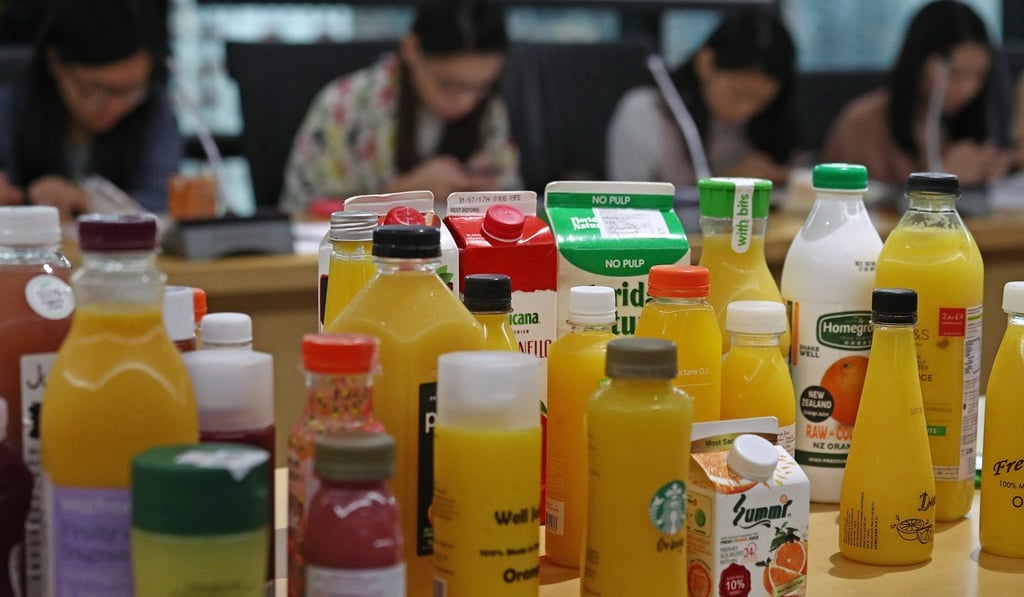
A tax of 40 sen (10 US cents) per litre will be implemented on all packaged drinks that contain sugar and other sweeteners in levels exceeding 5g per 100 millilitres, as well as fruit and vegetable juices with sugar exceeding 12g per 100ml. The tax will not be imposed on food and beverage outlets and only be limited to manufacturers. However, it is inevitable that the higher costs that manufacturers face will be ultimately passed on to consumers.
The sugar tax in Malaysia is an example of a government introducing a tax measure without any solid evidence that it actually works to meet its objective. In fact, there is evidence to suggest that sugar taxes don’t work to combat obesity. Success stories of the sugar tax movement were at first reported in Mexico and Berkeley, California, but the findings in the wake of the implementation of soda taxes were far from definitive.
Evidence published by Mexico’s National Institute of Public Health showed that per capita consumption of sugary drinks was only slightly lower after a soda tax was introduced in 2014, and there was arguably no statistically significant change in consumption of soda in Berkeley after the tax was introduced, after other factors were considered.