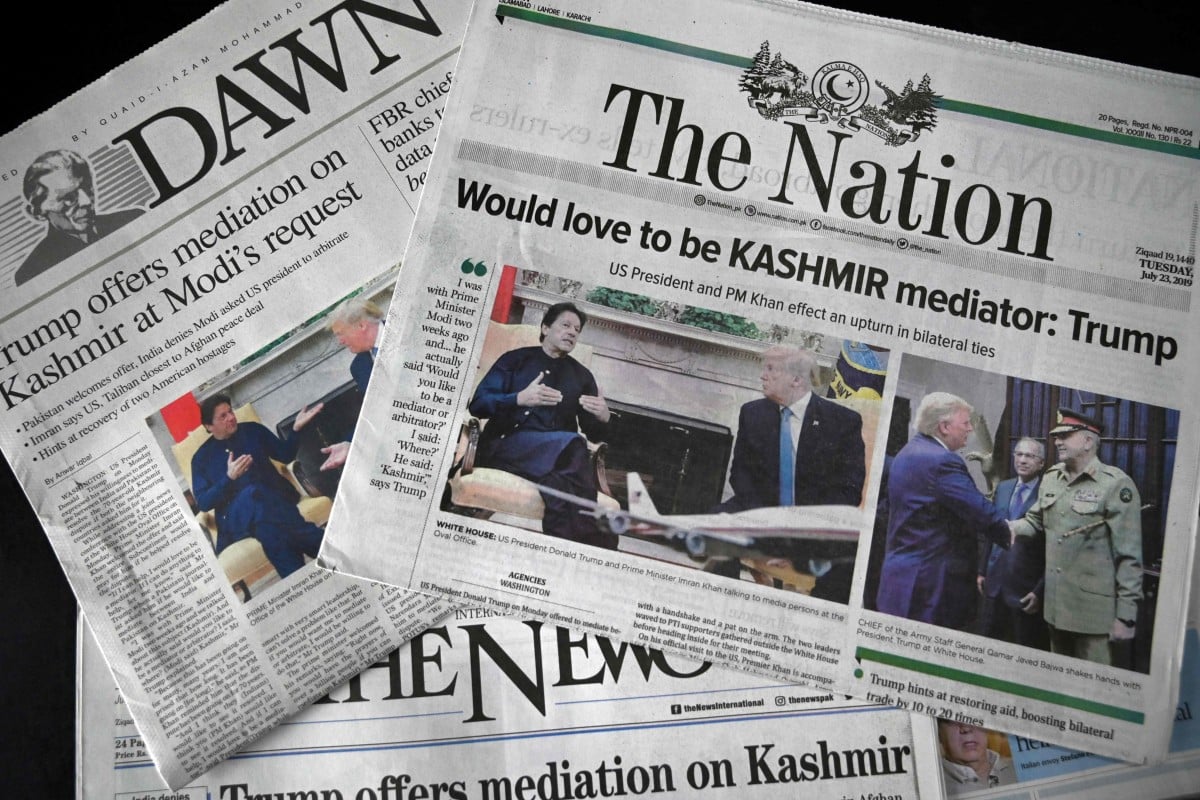
Pakistan’s Prime Minister Imran Khan received a hero’s welcome as he returned home from his
recent visit to Washington, with jubilant supporters greeting him at the airport. A friendly and cowed domestic media hyperventilated about his successful visit. Apart from a renewal of high-level political engagement, the visit has raised hopes of resumption in economic and military aid, in return for Pakistan’s cooperation on easing an Afghanistan peace deal. Trump’s abortive offer of mediation on Kashmir was the icing on the cake. The visit ended five years of estrangement. But Pakistan’s euphoria may need to be tempered by the harsh realities of Afghanistan, terrorism and economic distress.
Khan’s visit was to “reset” bilateral ties. US President Donald Trump had cancelled US$1.3 billion in economic and military aid,
blaming Pakistan for deceit and treachery in promoting terrorism and playing the spoiler in Afghanistan. Pakistan was also worried about its potential inclusion on the Financial Action Task Force’s blacklist on terrorism financing charges and unnerved by India’s cross-border
military strikes against terrorist camps. Pakistan’s current patron, China, failed to provide 100 per cent protection, leaving the country feeling uncomfortable with its growing reliance on Beijing.
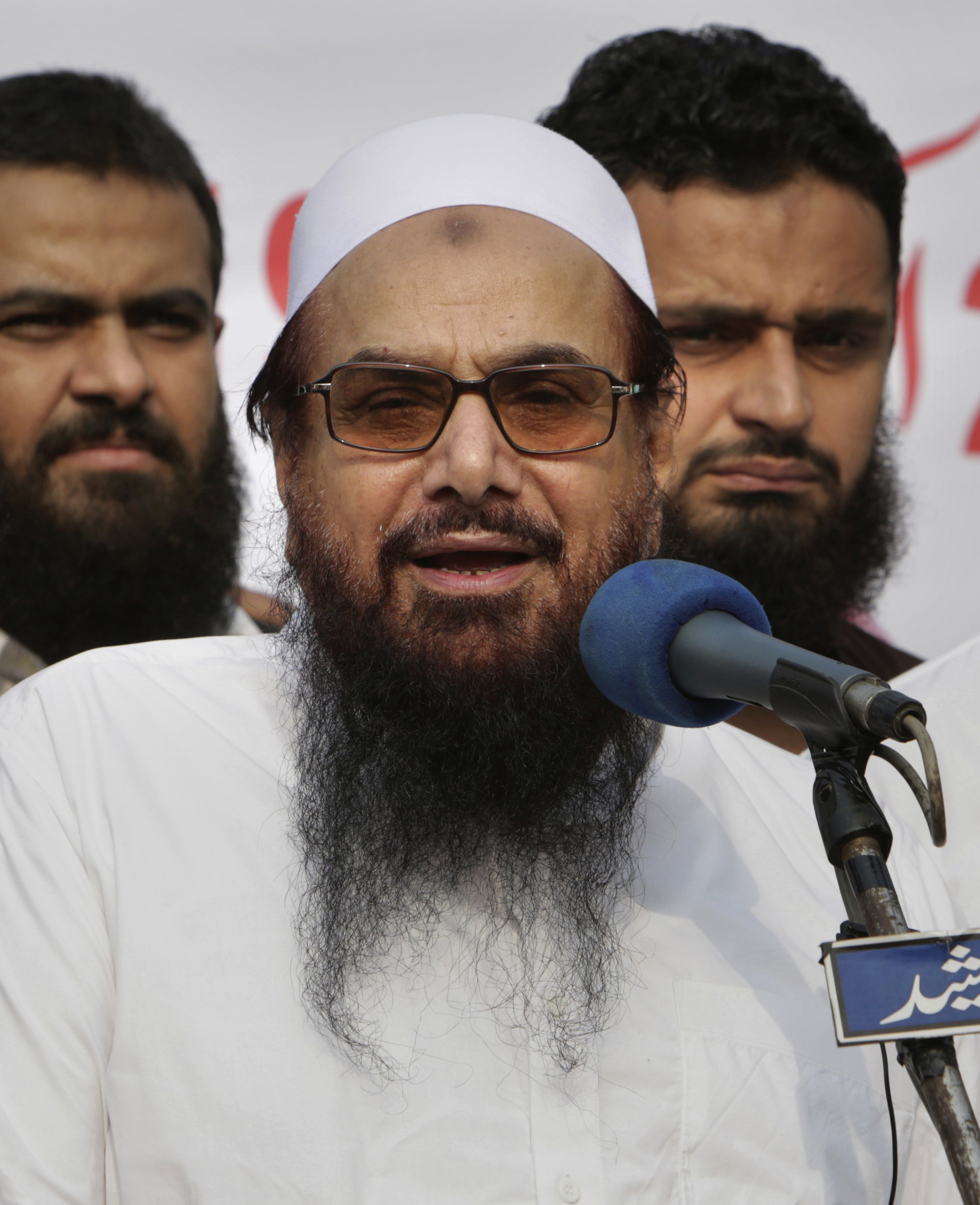
America had made it clear that it expected Pakistan to take irreversible and irrevocable steps against terrorist groups. Before the visit, Pakistan arrested
Hafiz Saeed, internationally declared terrorist and chief of the jihadi terrorist outfit Lashkar-e-Taiba, responsible for terrorist attacks on the Indian Parliament and Mumbai. Pakistan has arrested this terrorist several times before, only to release him when international pressure eased.
Pakistan’s floundering economy, kept barely afloat by loans from friendly countries and a promised
IMF bailout worth US$6 billion, was another reason to seek American help. Pakistan’s currency is losing value, foreign exchange reserves are dangerously low and annual exports have stagnated at US$25.5 billion, far below Bangladesh’s exports of around US$41 billion.
Pakistan is the breeding ground for scores of Islamist terrorist outfits, nurtured and used by the Pakistan Army in launching terrorist attacks in Afghanistan and India. In Washington, Khan made the surprising public admission that over 40 terrorist groups and up to 40,000 terrorists were operating in his country, and that Pakistan was trying hard to neutralise them. He also acknowledged that these groups were operating in Afghanistan and India. The White House statement said, inter alia, that “it is vital that Pakistan take action to shut down all [terrorist] groups once and for all”.
Pakistan has sought to leverage its control over the Taliban in helping to extricate America from the 18-year-old Afghanistan quagmire, a denouement Trump wants badly for his re-election campaign in 2020. For Pakistan’s military, American aid is crucial for upgrading and maintaining American military hardware in its inventory and sourcing new weaponry. Khan was accompanied by the army chief and military intelligence chief to Washington, reinforcing the belief that he is a “selected” rather than elected prime minister.