Advertisement


South Korea’s left and Japan’s right have crushed alternative viewpoints, setting up a trade dispute that may not be resolved
- South Korea’s left wing has long demanded a more aggressive stance on Japan’s imperial actions and stifled any dissent, while Japan’s right has also enforced its own position. With both views now mainstream, slim hopes of mediation remain
4-MIN READ4-MIN
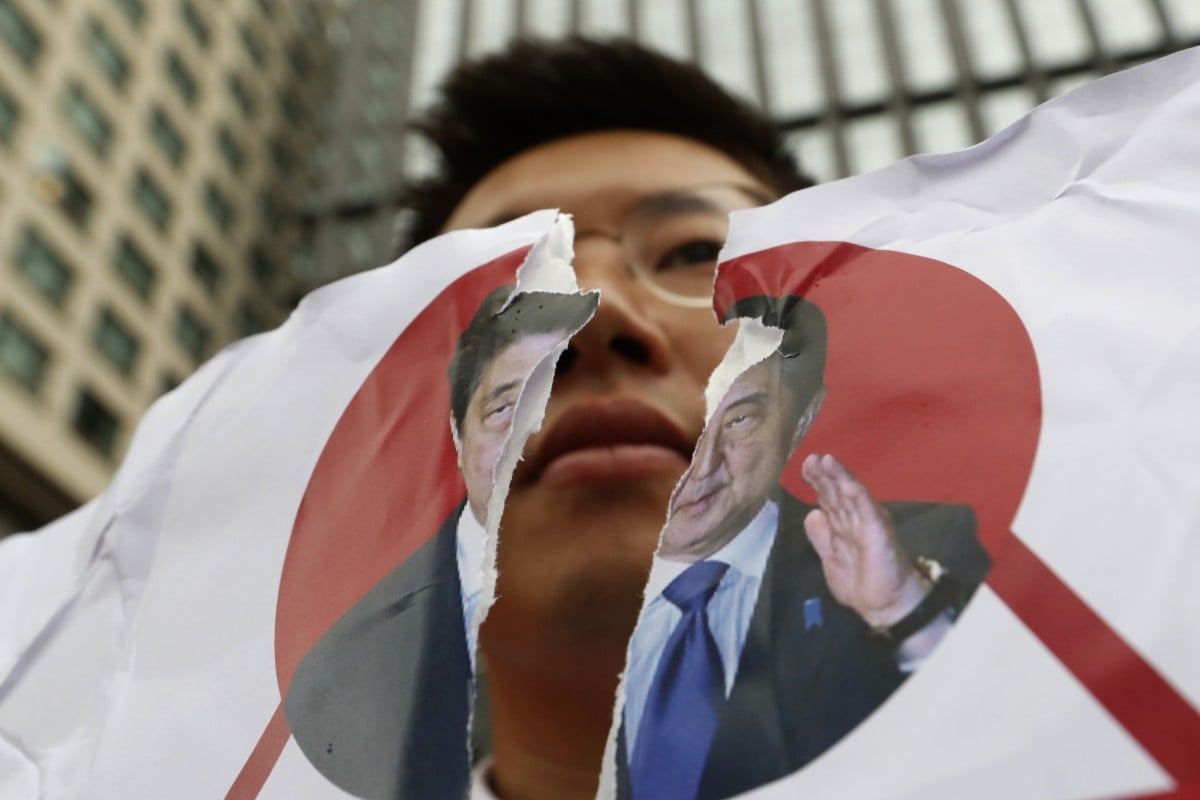
On July 1, Tokyo announced stricter controls on exporting materials essential to South Korea’s semiconductor industry. The restrictions followed the Korean Supreme Court’s decision allowing alleged victims of colonial Japanese forced labour or their surviving family members to seize assets of the successors of colonial-era Japanese companies, and Korean President Moon Jae-in’s rejections of Japan’s proposal for diplomatic consultation or third-party arbitration.
Japan believes the decision violates the two countries’ 1965 Treaty on Basic Relations. Moon responded by declaring that South Korea will diversify sources of industrial components.
Both Seoul and Tokyo’s actions are considered overdue, democratic expressions by South Korea’s left and Japan’s right-wing parties.
Advertisement
Since the Park Chung-hee regime signed the 1965 treaty with Tokyo, normalising relations and ostensibly resolving colonial-era claims, left-wing activists have characterised it as the work of pro-Japanese collaborators contravening the Korean people’s wishes. Anti-Japanese populism entered mainstream public discourse during Korea’s democratic transition in the 1990s. The narrative gained traction as left-leaning Korean administrations became less willing to enforce bilateral treaties and international agreements regarding Japan.
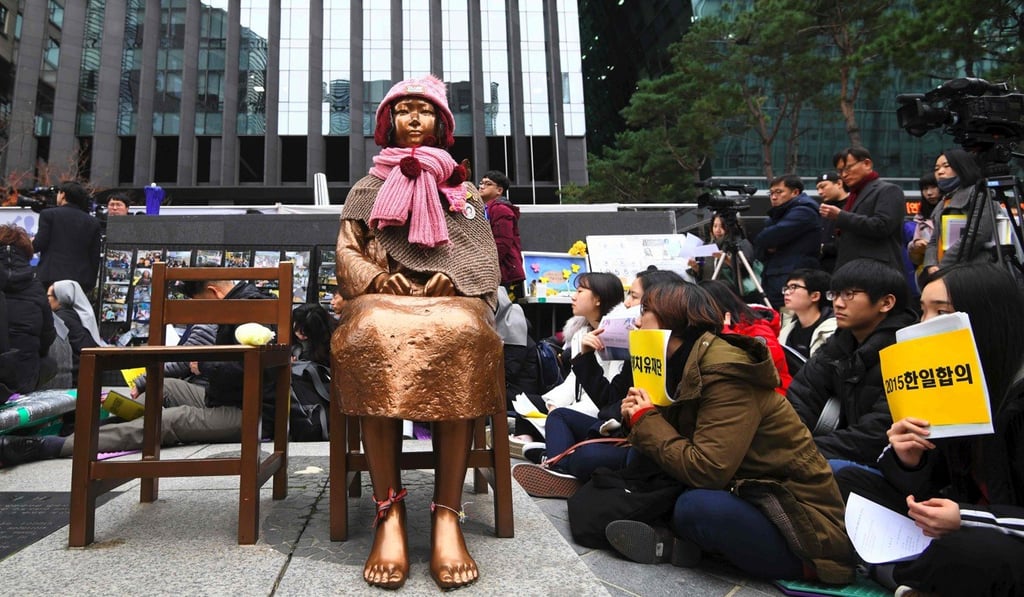
South Korea is the only Asian state to expropriate Japanese company assets to compensate wartime labourers, or allow statues of the “comfort women” and other colonial-era victims on streets facing Japanese diplomatic installations, contravening the 1961 and 1963 Vienna Conventions. The Moon administration also unilaterally dissolved the “comfort women” foundation, negating the 2015 accord signed by the Park Geun-hye government, after Tokyo paid 1 billion yen (more than US$9.2 million) compensation.
Advertisement
Advertisement
Select Voice
Select Speed
1.00x